
 80|20 Foundation: Kaitlyn Jones, Alexandra Frey, Hannah Crawford
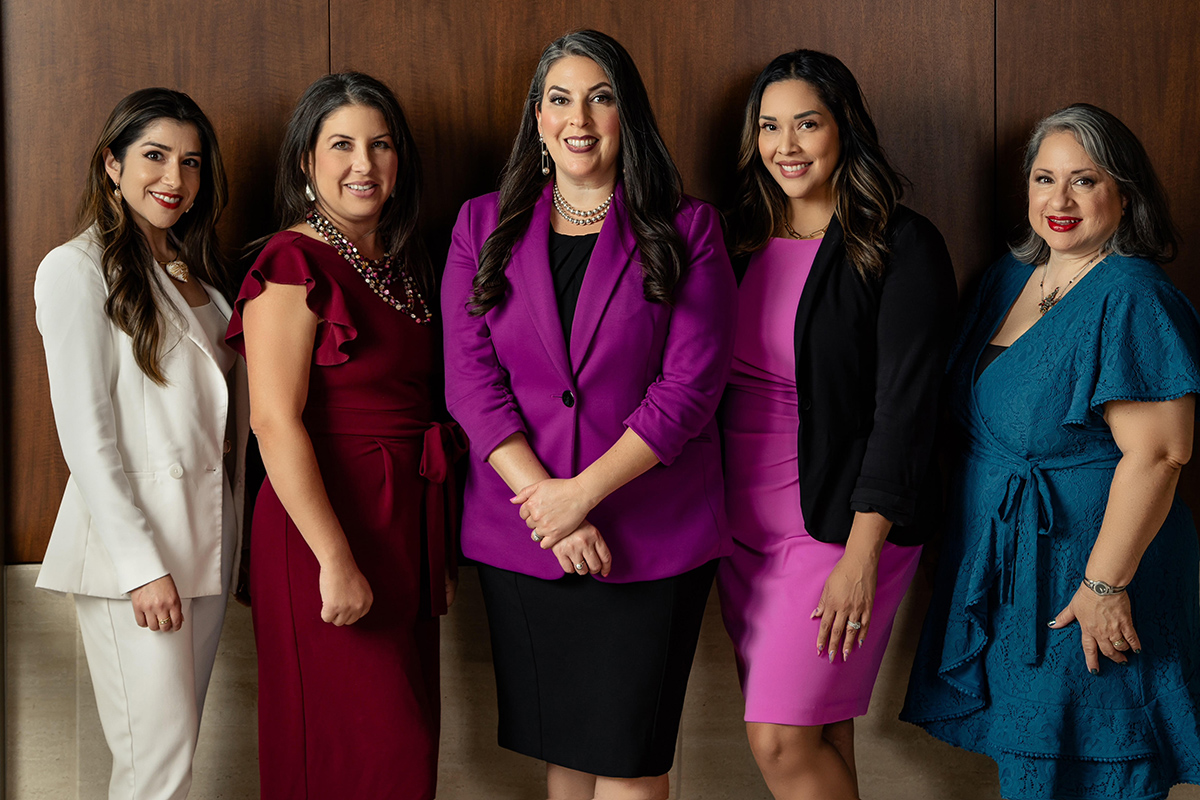
City Education Partners: Gladys Karén Hernández, Jillian Duran, Dalia Flores Contreras, Jennifer Limas-Mota, Lizette Eckman
Building San Antonio’s Manufacturing Future
How 80|20 Foundation and City Education Partners Are Creating Pathways to Prosperity
San Antonio is intentionally building one of the most ambitious manufacturing talent pipelines in the country. At the center of this effort is a deliberate, high-trust partnership between the 80|20 Foundation and City Education Partners (CEP), exploring the potential replication of the United Kingdom’s JCB Academy model to serve young people in our city.
A New Story for Manufacturing
For decades, manufacturing in San Antonio has too often been framed as a fallback option rather than a first-choice career. This narrative persists even as advanced manufacturing roles now offer wages that rival or exceed many traditional four-year degree pathways, and as employers project thousands of openings in the coming decade.
Yet the pipeline remains thin. A majority of local graduates do not pursue STEM or technical fields, leaving employers competing for a limited pool of homegrown talent while many young people remain disconnected from high-wage career pathways.
In response, the 80|20 Foundation has made a focused bet: by investing deeply in the small set of levers that drive outsized impact, San Antonio can convert a looming skills shortage into a generational opportunity for students historically excluded from these careers.
“We’re not just filling jobs,” says Alexandra Frey, Executive Director of the 80|20 Foundation. “We’re building systems that allow young people — especially young women and first-generation students — to see manufacturing as a place where they belong, where they can lead, and where they can thrive.”
Doing the Hard Work Up Front
To explore what this could look like in San Antonio, the 80|20 Foundation contracted City Education Partners to lead a rigorous due-diligence process on a potential San Antonio
With 80|20 working alongside CEP, the two organizations conducted workforce demand analysis, visited the JCB Academy in Rocester, England, and tested whether an employer-governed, high-rigor academy could open locally in the 2028–29 school year without compromising access or quality.
This work has focused less on branding and more on systems design: governance structures, employer roles, facility considerations, and long-term sustainability. It is unglamorous work — pro formas, zoning questions, governance models — but it is precisely this foundation that allows a young woman from the South Side to one day walk into a building designed with her future in mind, complete with real equipment, real mentors, and real post-graduation options.
“The JCB Academy model has shown what’s possible when education and industry are truly aligned,” Frey explains. “It’s not only about technical skill-building, but about confidence, purpose, and connection to meaningful work.”
Lessons from the JCB Academy
Founded in 2010 in Staffordshire, England, the JCB Academy was the first school in the UK dedicated specifically to developing future engineers and manufacturing leaders. Students earn rigorous academic credentials while engaging directly with employers through extended instructional hours and structured work placements.
Publicly available data from the UK indicates that the vast majority of JCB Academy graduates progress into advanced apprenticeships, university engineering programs, or technical education pathways — outcomes that have helped revitalize interest in engineering careers among young people.
The model’s core features — employer-governed curriculum, extended learning time, and clear postsecondary pathways — are now informing early design conversations in San Antonio, adapted carefully to local context.
Strengthening an Existing Ecosystem
San Antonio is not starting from scratch. The region has built meaningful momentum across K–12 education, postsecondary training, and workforce development to connect learners of all ages to high-demand technical careers.
Employer-informed programs such as TX FAME, in partnership with the Alamo Colleges District, and TX Fast Track, spearheaded by Deborah Carter through Bexar County, have expanded access to industry-recognized credentials, paid training, and accelerated pathways into advanced manufacturing and skilled trades. Together, these efforts reflect a long-standing regional commitment to preparing talent for high-wage, in-demand roles.
At the K–12 level, local public schools across San Antonio have increasingly embraced Career and Technical Education (CTE) and P-TECH pathways, enabling students to earn stackable credentials in fields such as welding, robotics, and advanced manufacturing while still in high school, often through partnerships with employers and postsecondary institutions.
Workforce Solutions Alamo, Greater:SATX, and regional employers are aligning these initiatives into a unified ecosystem that can scale to meet future workforce needs. The potential value of a JCB-inspired academy lies not in replacing this work, but in serving as connective infrastructure — a clear, coherent pathway that helps students and families navigate options that already exist, while deepening the integration between rigorous academics, real-world work experience, and postsecondary opportunity.
“We know that the lines between education and work are blurring — and that’s a good thing. The real power comes when learning, earning, and working are intentionally stacked rather than sequenced, so students don’t have to choose between school and opportunity,” says Dalia Flores Contreras, CEO of City Education Partners.
Women at the Center
Women are central to this vision. Leaders such as Leslie Cantu, Vice President of Administration at Toyotetsu -TTTX, a Women MAKE Award honoree and chair of Workforce Solutions Alamo, have demonstrated that manufacturing today is no longer defined by outdated stereotypes, but by precision, technology, and problem-solving — skills where women thrive.
Cantu’s work connecting apprenticeships, second-chance hiring, and inclusive workforce strategies underscores what is possible when manufacturing pathways are designed with real lives in mind.
“What excites me most about this academy is not that it replaces anything — it strengthens everything. We have momentum across schools, colleges, employers, and workforce partners, but we need connective infrastructure that makes the pathway clearer, more rigorous, and more accessible.” Cantu says. “If done right, this academy becomes a launchpad for students and a long-term talent solution for our region.”
A Civic Investment
If launched, a San Antonio Manufacturing Academy would be designed as civic infrastructure — employer-governed, academically rigorous, and intentionally connected to real work. Anchor employers would help shape curriculum and provide structured work-based learning opportunities while students are still in high school, ensuring education remains tightly linked to the skills and mindsets the regional economy actually demands.
Manufacturing has become San Antonio’s economic engine,” adds Graham Weston, Founder and chairman of the 80|20 Foundation. “Creation of an academy dedicated to the skills needed for manufacturing would show our city’s commitment to providing a robust talent pipeline to employers. And it would let our citizens have strong career opportunities with world-class companies.”
This approach reflects a broader shift underway in workforce development. Students increasingly seek credentials with clear economic returns, meaningful work experience, and multiple postsecondary options — not a single, linear pathway.
“Economic development isn’t only about attracting companies,” notes Alexandra Frey, executive director of the 80|20 Foundation. “It’s about ensuring residents can access the opportunities those companies create.”
Looking Ahead
The next phase of work will focus on local design, employer engagement, and feasibility planning. The goal is not speed, but strength: to determine whether San Antonio can build a model that reflects its values, workforce needs, and commitment to inclusive growth.
If successful, this effort will not simply add another school; it will demonstrate what becomes possible when philanthropy, employers, and educators co-architect a system designed around real opportunity — and when manufacturing is reclaimed as a first-choice pathway for the next generation.
8020foundation.com
cityeducationpartners.org