Mother-Daughter Duo Help Bring New Medicines to San Antonio Through Clinical Trials at Quality Research
By Rudy Arispe | Photography by David Teran
Ellen Schrader recalls the 16-year-old boy, who was a participant in a previous clinical drug trial to establish the efficacy and safety of a new allergy medication. As part of the requirements to determine his eligibility to participate, the teen underwent a thorough health examination, which included an EKG heart check.
To his surprise, the EKG revealed that the young patient had an underlying heart condition that had never been detected.
“He had to go see a cardiologist,” Schrader said. “He would not have had an EKG with no symptoms unless he was in that drug trial. Sometimes, we discover unexpected things about a person’s health when they are doing a trial. In the past year, there have been five people who found out they have cancer after having imaging tests done as trial participants. When it’s found early, they can get treatment.”
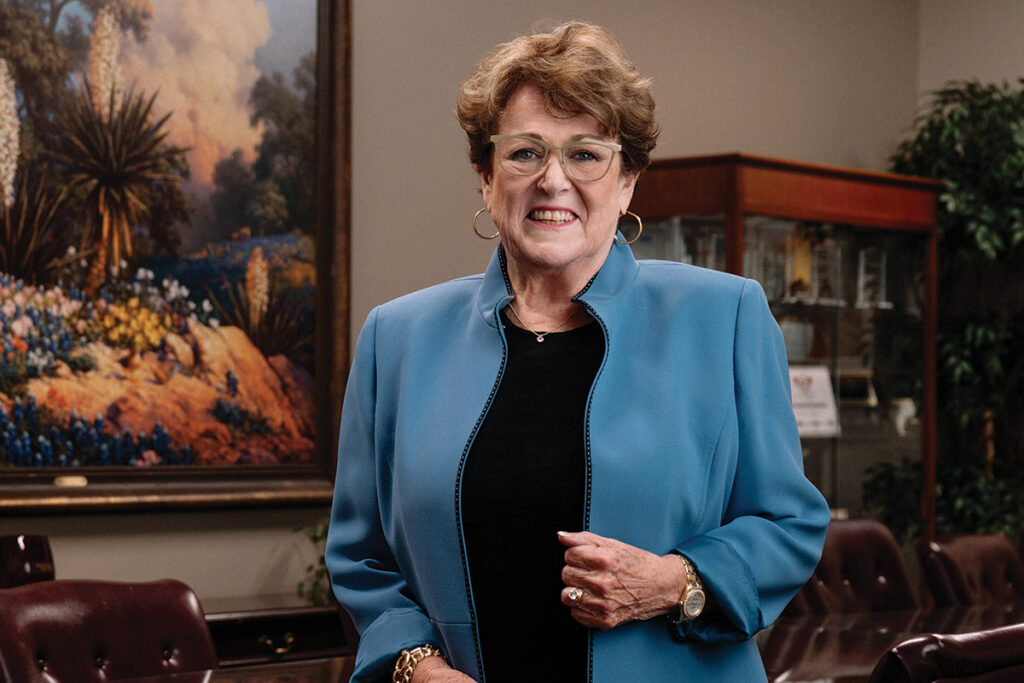
Lifesaving, early intervention for trial patients is just one of the rewards that come with the job for Schrader, president and CEO of Quality Research, which she founded in 1996. Over the past 30 years, the small, family-owned research center has conducted more than 300 clinical trials that have led to countless medications receiving FDA approval following rigorous testing.
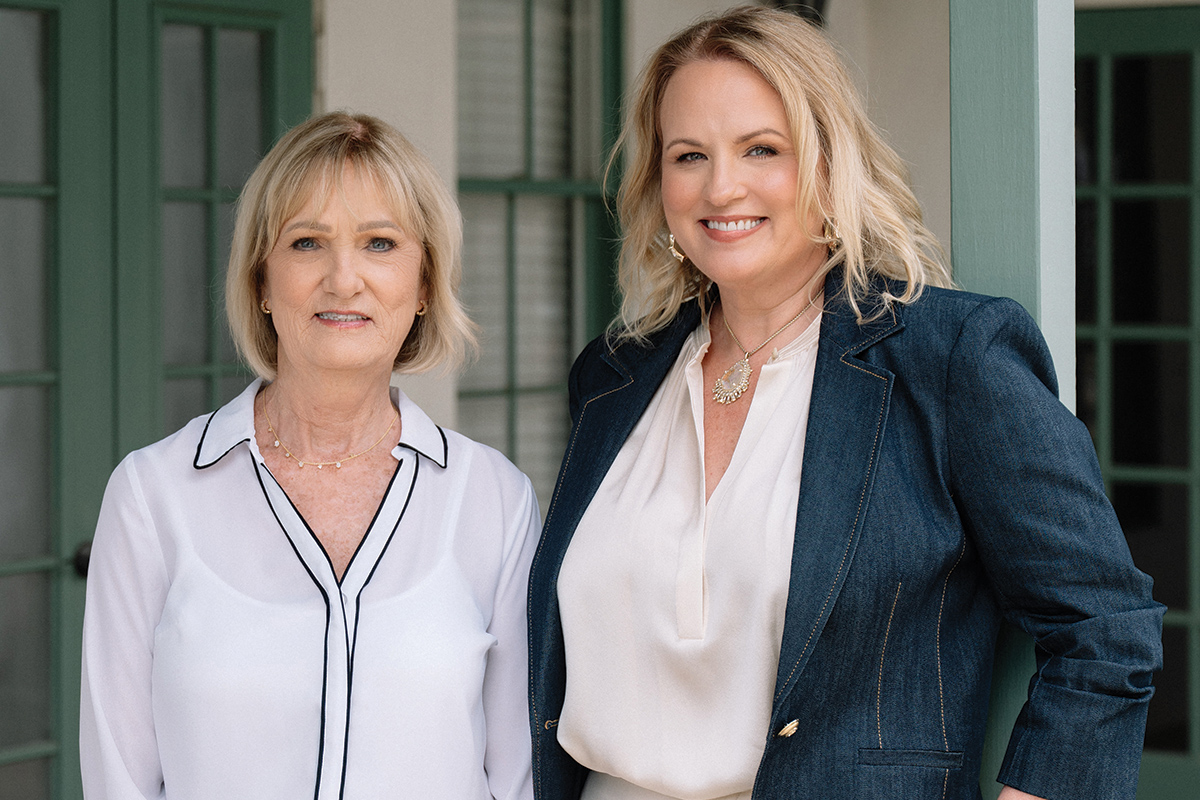
While Schrader serves as CEO, her daughter, Michelle Davis, is the Director of Operations. The former English teacher and Head of Middle School at Keystone School joined her mother 15 years ago after a successful career in the classroom. Davis was no stranger to the company. She and her two brothers spent many of their days during middle and high school helping at the business.
“I would make patient phone calls to see if they would be interested in participating in a trial,” Davis recollected. “I also did a lot of data transcription with triplicate copies. Now it’s done by computer. It was tedious, so they enjoyed giving me that job.”
Today, Quality Research oversees clinical trials for drugs in development for diseases and conditions, such as diabetes, irritable bowel syndrome, non-alcoholic fatty liver, hypertension, gout, and osteoarthritis, among others.
Davis stresses the importance of the work that Quality Research does to help bring safer and more effective drugs to market. “One of the most rewarding things is to see drugs we have worked on now being available to the public,” she said. “It takes 10 years for that to happen before it goes to market, and it takes a lot of people on the back end to make that happen.”
One such drug is Ozempic, used to treat adults with type 2 diabetes. “It’s been life-changing for a lot of people,” Davis said. “It’s exciting to know we played a small part in that.”
In addition to monetary compensation, trial participants receive quality health care every step of the process, which they might not receive elsewhere.
Schrader, who is a licensed vocational nurse, had been working at a doctor’s office where some clinical trials were being conducted, and she assisted with them. After 11 years there, she asked the physician for a raise. When he turned down her request, Schrader decided it was time to leave and start her own clinical trial research center. She jokes that her first office was the size of a closet, although that was the least of her concerns.
“I built the business by calling pharmaceutical companies and asking for their Research Department and asking them if they would throw some studies my way,” she explained. “If you do a good job, they’ll come back, and then word gets out in the industry about your work.”
It helps, too, that Quality Research partnered with a family practice physician, Dr. Robert Morin Jr., to provide expertise as principal investigator. “That leads a lot of ability to go into different therapeutic areas, so that you can follow market trends better when you have leeway like that to diversify,” Schrader said. “We want to spread out in case there’s a lull in one area.”
Schrader notes that the industry has certainly changed since she opened Quality Research 30 years ago. “There are very few independent research centers like ours. They are being bought up by large investment firms and big research groups,” the CEO said. “We get offers almost every day. We’re competing for enrollment with these huge corporations. So I have great pride when I see our enrollment numbers up there with the giants.”
Quality Research is also proud of an accolade they received last year, said Davis, a graduate of the University of Texas at Austin. The company was honored with a 2025 Longhorn 100 Award, a recognition of the fastest-growing businesses owned by UT Austin alumni, and ranked No. 48.
Although Schrader has no plans to retire anytime soon, her daughter has been handling more of the day-to-day operations to allow her mom a bit more freedom in her schedule and more personal time off as desired. For Davis, she’s grateful to be working alongside her mom and mentor.
“I don’t think I’ve ever yelled at you, have I?” Schrader jokes. “I think I might have been grounded a few times,” Davis quips.
Kidding aside, the mother-and-daughter duo believe they have a great working partnership. “I’ve been fortunate to be in her shadow and learn everything that she does, from managing payroll and HR to mentoring people and the logistics of running the business,” Davis said. And both agree that because Quality Research is a smaller company with a staff of 10, they have the capacity to have a greater impact on people’s lives through their clinical research.
“We have a magic formula here,” Schrader said.
“Sometimes, we are their only care,” Schrader said. “Many don’t have insurance and can’t afford to go to the doctor. We are a way for them to get treatment, whether it’s for arthritis or diabetes, if not for clinical trials. They spend a lot of time with our physician and nurse practitioner. They like coming here. It’s warm and welcoming. We care about them.”
303 E Sunset Rd, Suite 102, San Antonio, TX 78209
qualityresearch.com | (210) 824-5678