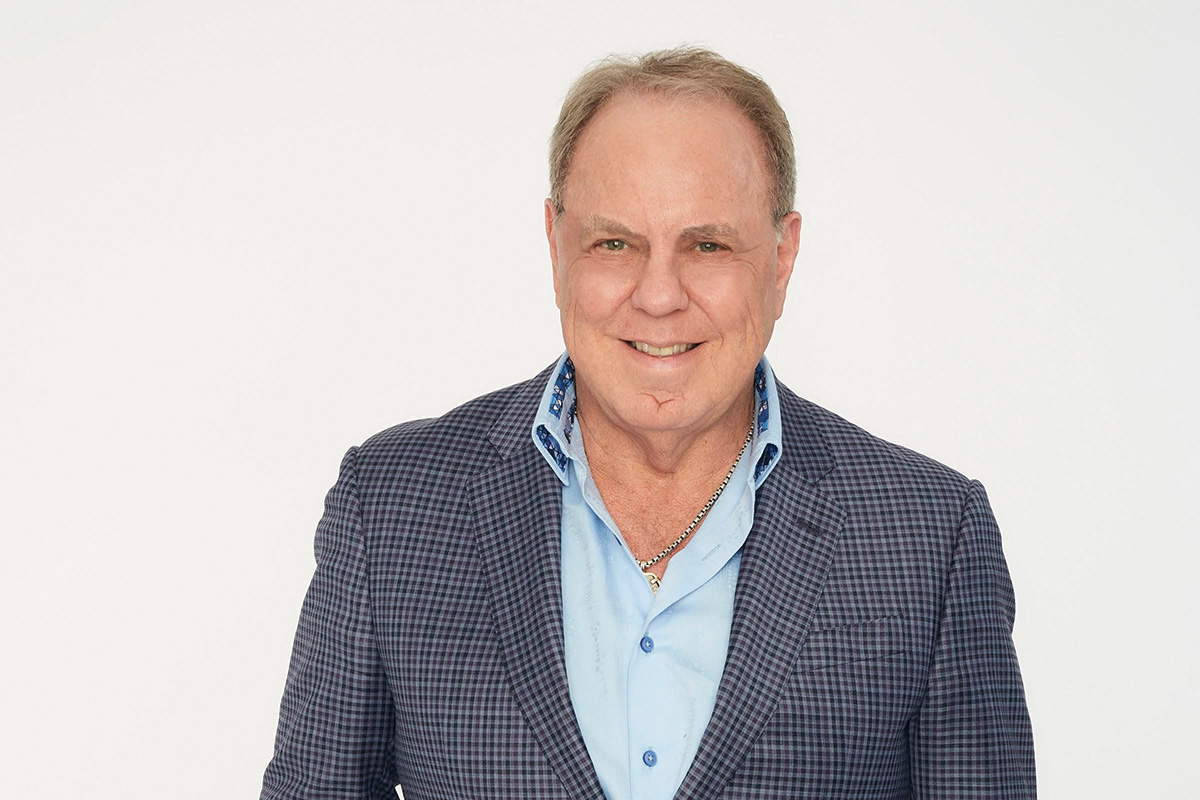
By Bill Murphy, MD, Medical Director, Turquoise Springs Medical Spa
We have all heard the saying, “What doesn’t kill you makes you stronger”. The saying is a way to mitigate a bad event and somehow make it seem more palatable. While it may sound cliché, there may be a grain of truth in it. Dr. Stephanie Rogers, a professor at the University of California, San Francisco, has noticed one thing healthy older adults living into their 80’s and 90’s have avoided as much as possible over the course of their lives. The condition these healthier older adults have avoided is comfort. According to Dr. Rogers, the healthiest people she encounters have continued to apply stress to their bodies, both physically and cognitively, year after year, decade after decade. Physically, mentally, and emotionally, they have continued to push past their comfort zones.
There is a concept called Hormesis, which is our body’s adaptive response to mild stress. We want to push our bodies hard enough to adapt, but not so hard that we cause harm. We wish to build our biological capacity and increase our resilience by constantly challenging our body and brain to overcome hurdles. Think of it as training for life. When we regularly expose ourselves to healthy stressors, our bodies and brains learn to adapt, recover, and perform better.
The term hormesis is from the Greek word “hormo,” which means to excite or stimulate. Mild stressors stimulate cellular functions in our body to enhance our health, vitality, and increase our resistance to disease or injury. The key lies in the dose and frequency of exposure. In the physical realm, examples are exercise, intermittent fasting, heat or cold exposure, and certain plant compounds that stimulate our body to improve immune system capacity. Physical activity or exercise leads to increased muscle strength, improved heart capacity, and enhanced metabolic function in appropriate doses.
The key is finding the right dose. Too little stress and the body has no reason to adapt. Too much stress can cause injury or harm. The sweet spot lies somewhere in between. It is important to vary your exercise regimen. If you primarily lift weights, add walking or rowing to your regimen. If you primarily run, add yoga or Pilates with stretching to build core strength and balance.
Activities like sauna use (heat stress) or cold showers (cold stress) can activate protective proteins or peptides and improve vascular circulation. Intermittent fasting can induce mild stress, which triggers cellular repair, metabolic reset, and improves brain function. Phytonutrients, which are compounds in plants like resveratrol in grapes and sulforaphane in broccoli, can induce hormetic effects that promote detoxification and anti-inflammation.
Small doses of cognitive stress are just as important as physical challenges. My opinion is that retirement is an artificial construct to help those who had depleted their bodies in coal mines, on farms, in steel mills, and doing construction work in the first half of the last century. The average life span in the 1930’s was 69 years old. We are living a decade or two longer now, and to remain healthy, we need to have a reason to get out of bed every day. Time stress is not a bad thing in small doses. It is healthy to be committed to being somewhere where you are expected, on time, and prepared to perform. The event or task should be something you like or love doing. It doesn’t have to be a job or your career occupation. It can be volunteering for Habitat for Humanity, attending an art class, mentoring, or even serving as a greeter at Walmart. Other ways of cognitive stimulation might be learning a new language or a new craft, joining a book club, or attending a Bible study. Nothing stimulates the mind like being around people different than yourself or who have opinions different from your own. The important thing to remember is that a healthy brain is not one that is completely without stress or challenge. Individuals who engage in hormetic practices are likely to be better able to cope with physical and psychological stress, leading to improved mental health and well-being.
Most of us spend our lives working toward comfort. We build careers, save for retirement, and create homes designed to make life easier. There is nothing wrong with that generally. A “Spartan life” is not what I am suggesting, but I can assure you, a completely comfortable existence is not healthy. In order to live your best life, stress yourself physically, mentally, and emotionally, and ask your body to adapt, get stronger, and adjust to the new normal. Your body will respond marvelously, and in the healing way it is programmed to behave when challenged. It will adapt and become stronger, more flexible, resilient, and better able to resist disease and adversity.
If you would like guidance with your own journey toward better health and longevity, contact our team at Turquoise Springs Medical Spa.
www.turquoisesprings.com. 210-253-3313