How Scalp Cooling Preserved Denise’s Hair and Hope
By Kristina G. Aderhold
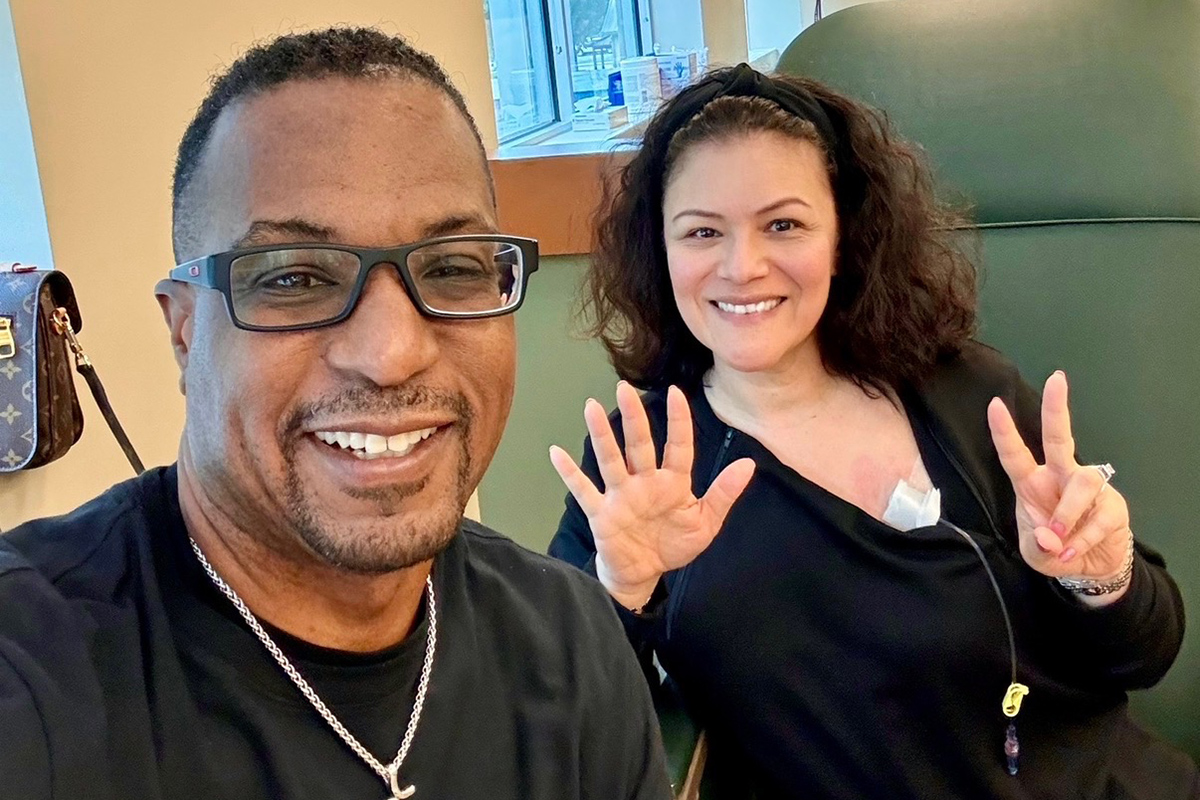
When the unthinkable happened and Denise Davis from San Antonio was diagnosed with breast cancer, her mind started racing.
Along with the many unknowns and fears that come with a cancer diagnosis, one of the main concerns Denise had was the thought of losing her hair. She was worried and upset at the prospect that if she had chemotherapy, she would likely lose it. Little did she know, a solution was about to be presented to her.
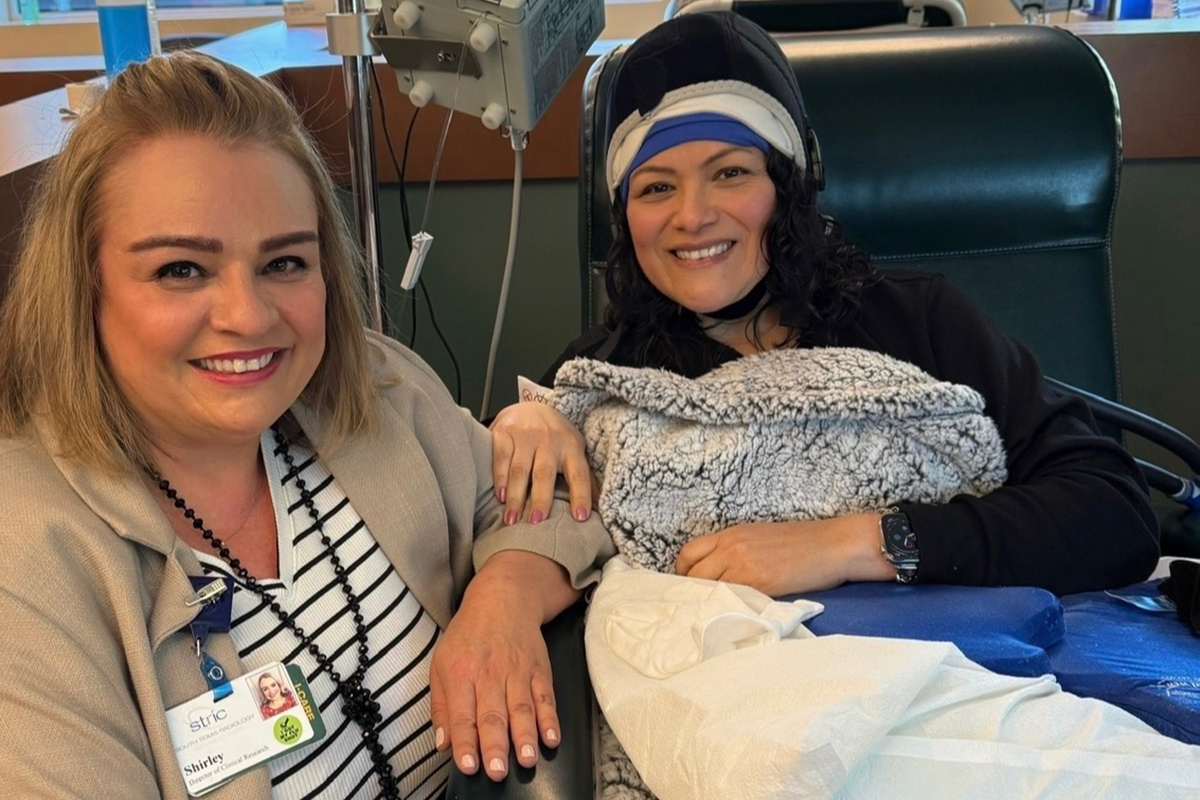
Denise was 52 when she was diagnosed with breast cancer. Under the expert care of medical oncologist Amy Lang, M.D., F.A.C.P., at The START Center for Cancer Care in San Antonio, she would go on to receive Taxol chemotherapy for three months. During this time, Denise learned about a treatment more commonly known as cold cap treatment, which prevents hair loss during chemotherapy. “The START Center for Cancer Care is one of the few practices in San Antonio to offer the DigniCap® Scalp Cooling System, and has been offering it since 2016,” says Crista Cody, MS, BSN, Director of US Clinical Services, Dignitana, Part of the Paxman Group.
DigniCap® is a fitted cap worn during chemotherapy to help patients prevent hair loss. It works by circulating controlled liquid coolant across the scalp to shrink local blood vessels and slow cellular metabolism, drastically reducing the amount of chemotherapy drugs that reach and damage the hair follicles. The START Center for Cancer Care has nurses who are trained on how to use the cap.
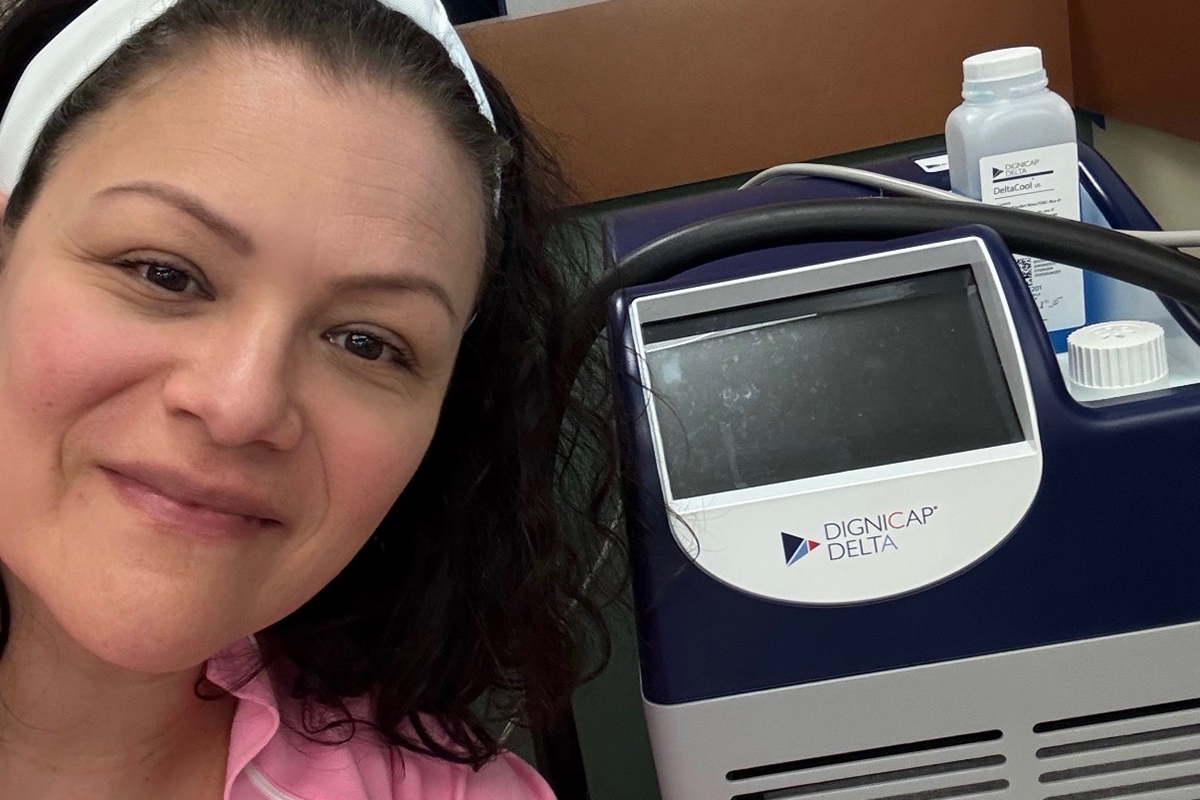
“Scalp cooling technology is a powerful tool in modern oncology. By reducing the delivery of chemotherapy agents to hair follicles, we can significantly minimize hair loss,” explains Dr. Lang. “Our dedicated team provides comprehensive, patient-centered care, and integrating treatments like DigniCap® helps maintain a patient’s sense of self and quality of life while we guide them toward recovery.”
“When I sought treatment at The START Center for Cancer Care, using the cap ended up being one of the best decisions I made during treatment,” Denise says. “I had a friend with the exact same diagnosis who went through the exact same treatment, minus the cold cap. When she started to lose her hair, she mentioned that she should have done the cold cap because it was very emotional for her.”
With the treatment, Denise was able to save approximately 95% of her hair. “To most people, hair may seem like a small thing, but when you’re going through cancer treatment, maintaining that part of yourself can mean so much,” she says. Being able to keep her hair helped her emotional well-being and made her feel more whole. She could look in the mirror and still recognize herself. “I didn’t feel like I looked sick, and that made a huge difference in how I felt emotionally and mentally throughout my treatment. Keeping my hair made such a huge difference and made the experience so much better.”
Denise hopes that by sharing her experience, other women facing chemotherapy will know that hair preservation may be possible and that they have options to help them maintain a sense of confidence and normalcy during treatment.