What Every Woman Should Know About Her Mammogram
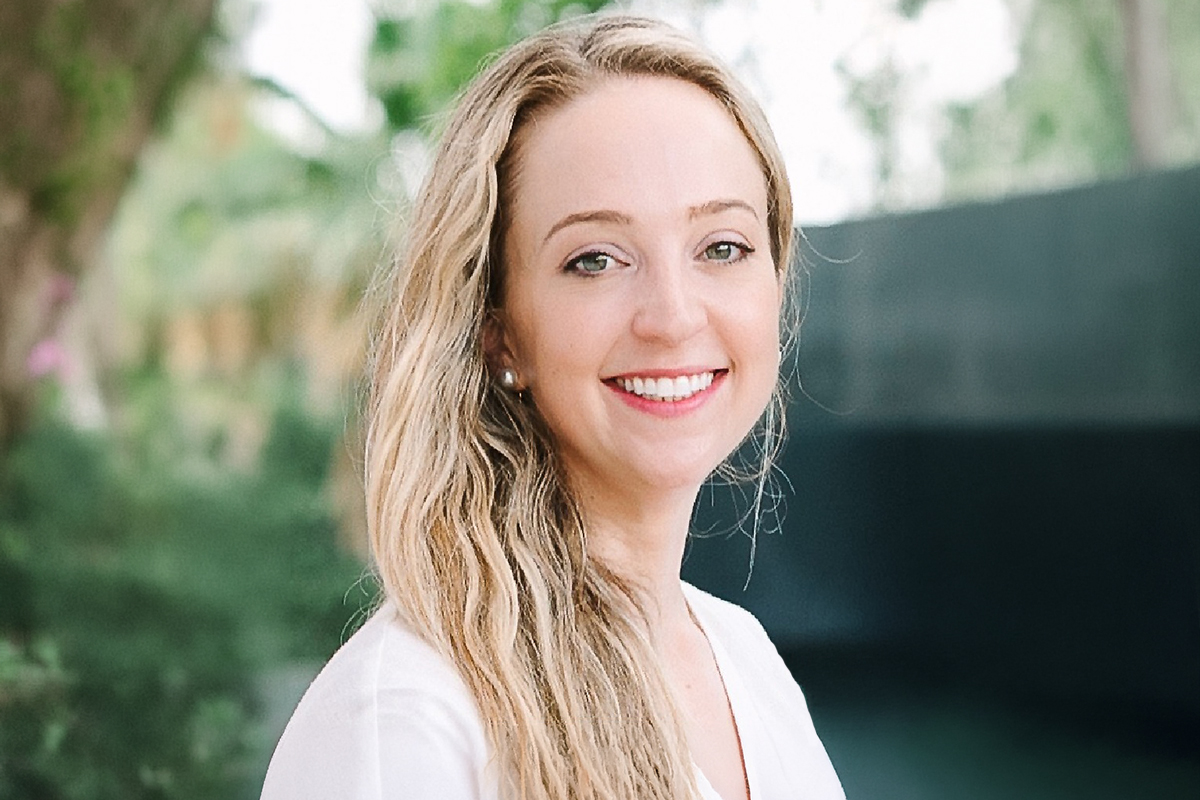
By Lauren Hinojosa, M.D. South Texas Radiology Imaging Centers
For many women, the most important line in a mammogram result is simple: “No evidence of breast cancer.” But there is another piece of information in that report that deserves attention—your breast density.
Breast density describes the proportion of fibrous and glandular tissue compared with fatty tissue in the breast. It is not something you can feel during a breast self-exam, and it is not determined by breast size or firmness. Breast density can only be assessed on breast imaging, most commonly a mammogram.
Radiologists classify breast density into four categories: almost entirely fatty, scattered areas of fibroglandular density, heterogeneously dense, and extremely dense. The last two categories are considered “dense.” Nearly half of women in the U.S. between the ages of 40 and 74 have dense breasts. [1] It’s also worth noting that breast density can change over time. It generally decreases as women get older and may also be influenced by weight changes, breastfeeding, menopause, and hormone therapy.
Why does density matter? There are two important reasons.
First, dense breast tissue can make breast cancer harder to detect on a mammogram. Both dense tissue and many breast cancers appear white on mammography, so a small cancer can sometimes blend into the surrounding tissue. Think of it as looking for a snowball in a snowstorm. In a breast composed predominantly of fatty tissue, which appears darker on a mammogram, a white mass stands out in stark contrast to the background tissue.
Second, breast density itself is an independent risk factor for developing breast cancer. Dense breast tissue is not inherently abnormal, but density should be considered alongside other factors such as age, family history, prior breast biopsies, genetic mutations, and personal medical history.[1]
This is why breast-density notification has become an important part of breast cancer screening. As of September 10, 2024, new federal requirements from the U.S. Food and Drug Administration require all mammography facilities in the United States to tell patients whether their breasts are “dense” or “not dense.” [2] While Texas has required this since 2012, it’s a powerful step forward to create a nationwide standard so women throughout the country receive clear information about breast density.
So, what should you do if your mammogram says you have dense breasts?
Most importantly, do not interpret dense breasts as an abnormal mammogram, and do not stop getting mammograms. Mammography remains the gold standard of breast cancer screening, including for women with dense tissue. Instead, use the density information as an opportunity to understand your overall breast cancer risk and explore if your breast cancer screening needs to be more personalized.
For some women, additional screening may be appropriate. Depending on breast density and other risk factors, supplemental screening options can include breast MRI, abbreviated MRI, contrast-enhanced mammogram, or ultrasound. These tests can find some cancers that are not visible on mammography alone, but they can also lead to additional testing and benign biopsies. Current evidence does not support a one-size-fits-all recommendation for supplemental screening based on breast density alone. [1,3]
A good question to ask your physician is not simply, “Do I have dense breasts?” but rather, “Considering my breast density and my other risk factors, what screening strategy is right for me?”
Breast density notification is ultimately about information—not alarm. When women understand what density means, they can have more informed conversations with their physicians and participate more fully in decisions about their breast health. During Breast Cancer Awareness Month, that knowledge is one more tool we can use to make screening more personal, more informed, and ultimately more effective.
References
National Cancer Institute. Dense Breasts: Answers to Commonly Asked Questions. Updated December 2, 2025.
U.S. Food and Drug Administration. Important Information: Final Rule to Amend the Mammography Quality Standards Act (MQSA). Breast-density notification requirements effective September 10, 2024.
U.S. Preventive Services Task Force. Screening for Breast Cancer: US Preventive Services Task Force Recommendation Statement. JAMA. 2024;331(22):1918-1930. doi:10.1001/jama.2024.5534