What Every Woman Needs to Know About Osteoporosis
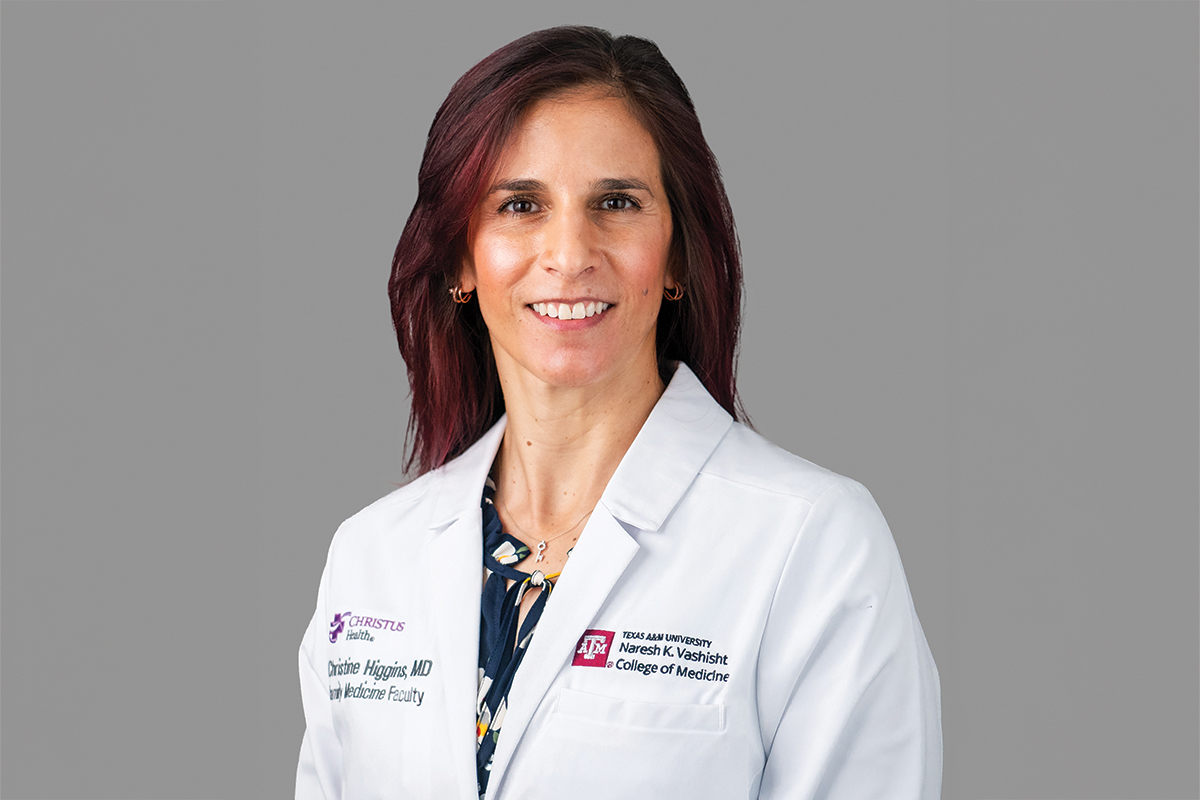
By Dr. Christine Criscuolo-Higgins,
Family Medicine Physician with CHRISTUS Health
Osteoporosis is often misunderstood, underestimated, and too often discovered too late. Yet for women, it is one of the most consequential health conditions of aging. Simply put, osteoporosis is a disease that weakens bones, making them fragile and more likely to break. Sometimes those breaks happen after a simple fall, and in some cases, with no obvious injury at all.
What makes osteoporosis particularly dangerous is that it gives no warning signs. There is no pain, no visible symptoms, no signal that bones are quietly losing strength, which is why it is often called a “silent disease.”
For many women, the first clue is a wrist, spine, or hip fracture that suddenly alters daily life. These fractures can lead to pain and possibly long-term disability, loss of independence, and even increased risk of death.
Why women face greater risk
While osteoporosis can affect men, women are at significantly higher risk. Biologically, women tend to have a lower overall bone mass and absorb less calcium than men – both critical factors in bone strength. Hormones also play a major role. After menopause, when estrogen levels drop, the rate of bone loss accelerates. Women who experience early menopause, who have both ovaries surgically removed, or are in medically induced menopause are at even greater risk.
Age compounds the issue. Bone is living tissue that constantly breaks down and rebuilds. When we are young, the body builds new bone faster than it removes old bone, leading to strong, dense bones. As we age, that balance reverses. More than 10% of adults over 50 have osteoporosis, and many do not know it. Among women over 65, more than one in four is affected.
Genetics matter. A parent who has had a hip fracture from osteoporosis increases your own risk. While fracture rates vary among racial and ethnic groups, every woman, regardless of background, should take bone health seriously.
The biggest myth about osteoporosis
One of the most dangerous misconceptions is believing that osteoporosis is not life-threatening.
Fractures related to osteoporosis can be devastating. Hip and spine fractures can cause chronic pain, permanent deformity, loss of mobility, and serious complications that may shorten life expectancy.
Osteoporosis is not “just” broken bones; it is about quality of life.
Bone health starts earlier than you think
Many women are surprised to learn that osteoporosis prevention starts in childhood. Calcium is absorbed most efficiently during youth, and by the time we reach our late teens and early twenties, that ability declines sharply.
That is why adequate calcium and vitamin D during childhood and adolescence are essential for building peak bone mass. Bone mass peaks around age 35. From there, it gradually declines.
The choices made in early adulthood, such as nutrition, exercise, smoking, and alcohol use, all directly influence bone health decades later.
Screening: Knowing your risk before a fall
There are no early symptoms of osteoporosis, which makes screening critical. Women should have their osteoporosis risk evaluated yearly during routine preventative exams. This includes reviewing medical history, medications, and conditions that affect bone health, such as autoimmune disorders, thyroid disease, gastrointestinal issues, cancer or long-term steroid use.
All women should have a bone density test, called a DEXA scan, at age 65. Women with risk factors such as early menopause, low body weight, smoking, excessive alcohol use, or a family history of hip fracture may need to be screened earlier.
If the first scan is normal, another one may not be needed for five or more years. If the scan shows early bone loss, repeat testing is usually recommended in three to four years. If osteoporosis is diagnosed, follow-up scans are performed every two to three years to monitor treatment effectiveness.
Everyday steps to protect your bones
Bone health is influenced daily by what you eat and how you move. Women should aim for 1,200 mg of calcium and 800 international units of vitamin D each day. Dairy products like milk, yogurt, and cheese are excellent sources, as are calcium-fortified non-dairy milks, juices, and tofu.
Fish and eggs are good sources of vitamin D, but most women still need supplements to meet their daily requirements.
Exercise is equally important. Weight-bearing and resistance exercises, such as lifting weights, help strengthen bones and muscles and improve balance. Even gentle activities like walking offer benefits. The key is consistency and choosing activities you enjoy.
Limiting alcohol to one or two drinks a day and quitting smoking are also essential steps in protecting bone health.
Treatment and hope
For women diagnosed with osteoporosis, effective treatments are available. Oral medications called bisphosphonates are commonly used, while injectable options may be recommended for women at very high fracture risk or those who cannot take oral medication. Treatment decisions are highly individual and should be made with a health care provider.
The bottom line
Osteoporosis is common, serious, and often silent, but it is not inevitable. Strong bones support an independent, confident life at every age. Prevention starts early, continues daily, and makes a lifelong difference.
Finally, remember this: falls are a leading cause of fractures in older adults. Simple safety measures like good lighting, removing tripping hazards, and using assistive devices when needed can dramatically reduce risk.
Keeping your bones strong is more than calcium and scans. It is about protecting your future and staying active, capable, and empowered for years to come.
To learn more about CHRISTUS Health, or to find a primary care provider, visit our website, CHRISTUSHealth.org.