
New Year, Healthier Veins: A Guide for San Antonio Women
By:John Hogg, MD, DABR, DABVLM, RPVI, RPhS, RVT, RVS
Founder, Medical Vein Clinic
As you start the New Year, remember vein health is as crucial as diet and exercise. Knowing how daily habits affect your veins is essential for well-being, especially for women in San Antonio.
Why Your Veins Need Attention, Too
Think of your veins as the highways, roads, and bridges of your circulatory system. Arteries work tirelessly to move oxygen-rich blood throughout your body. Your heart takes the blood, sends it to the lungs to get the red blood cells oxygenated, and pumps it all the way down to your toes. Then your leg veins have the critical job of sending that blood back up, and around and around it goes.
Sometimes veins lose their ability to send blood back to the heart. When this happens, you can develop venous insufficiency. This progressive disease, if left unchecked, can cause decreased mobility, painful swollen legs, wounds that won’t heal, and in some cases, limb amputation.
The Modern Lifestyle Challenge
We were designed to roam the earth, to hunt and gather, long before sofas, cars, and televisions existed. I see more vein problems as people move less. It’s a 21st-century phenomenon: spending our days sitting behind desks, standing at counters, driving all day, or sitting on long flights. This sedentary lifestyle brings most patients into our clinic.
Understanding Venous Reflux
Venous reflux is when the veins in your legs stretch so blood falls back down instead of returning efficiently to your heart. You might experience burning or itching legs, cramping, heavy legs, or restless legs syndrome. Sometimes, your legs or ankles may darken due to iron in pooled blood. Spider veins, varicose veins, and zig-zagging veins are visible symptoms that need medical attention.
The veins we treat may, or may not, be visible on the surface of your legs. The skin and fatty tissue on the outside don’t have much support, so it’s easy for those veins to stretch out over time. The good news is that deep veins, those inside the muscle, are less likely to go bad because the muscle keeps them from stretching.
Who’s at Risk?
The most common cause is heredity; vein disease runs in families. The next most common factor is profession, especially jobs with prolonged sitting or standing. Pregnant women also develop varicose veins due to extra pressure and weight on their legs.
Once veins stretch out, the disease progresses. A distended vein never becomes taut again. This is why early intervention matters.
New Year’s Resolutions for Healthier Veins
As you set your 2026 health goals, consider these practical strategies I recommend to patients:
Move Throughout Your Day
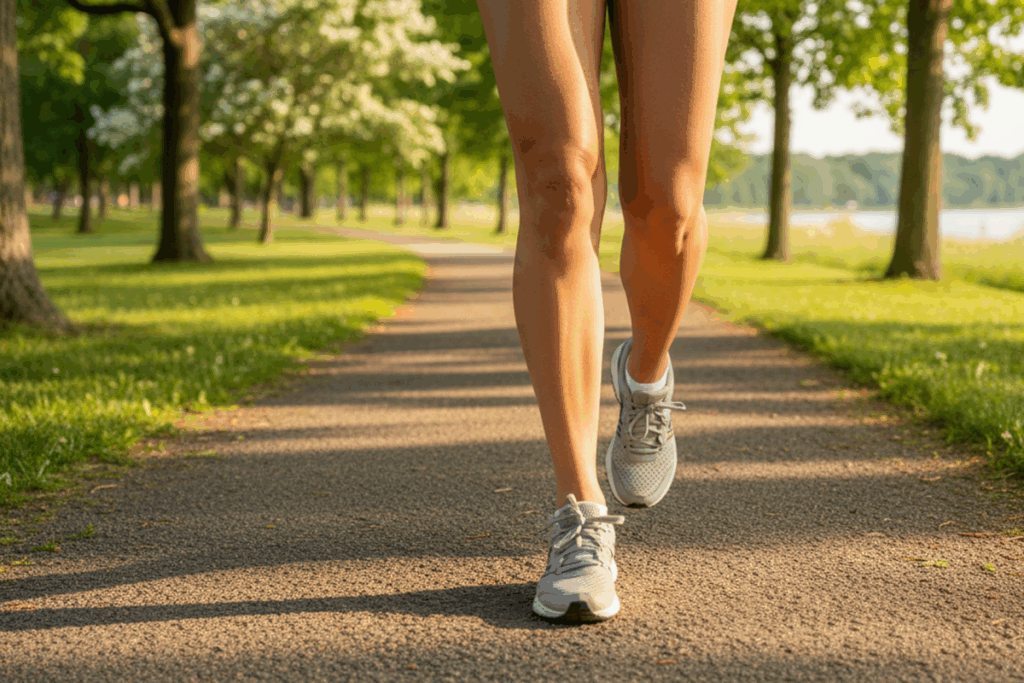
We just want the legs moving. Build movement into your routine with simple habits. Stand up every hour and stretch. Walk around your office during phone calls. Take the stairs instead of the elevator. Set calendar reminders for regular movement breaks.
The Power of Muscle Movement
One reason to exercise is that developed muscles help your veins. When you walk, muscles squeeze the vein, moving blood back to the heart. Even simple toe raises that flex your calf muscles can make a big difference. You move 90% of your blood when you flex your calf.
Yoga relieves pressure on the veins, reducing swelling and pain. Strength training builds the muscle power your veins need to pump blood efficiently. Even a 30-minute daily walk around your San Antonio neighborhood makes a difference.
Consider Compression Stockings
I’m a big believer in compression stockings, and they’re not just for older or less healthy people. Professional athletes wear them. They can get a 25% to 30% increase in endurance because the stockings deliver more oxygen to their legs.
I wear them myself. I’m tall, so compression socks help my blood circulate farther. The blood returns up my veins to the heart instead of falling back down.
I always suggest patients wear compression stockings on airplanes. As you sit, blood goes down but does not return because you are not moving your legs. Airline travel restricts movement, so these stockings, though sometimes hard to put on, help keep blood flowing and reduce the risk of developing a DVT (deep vein thrombosis, or blood clot).
Pregnant women especially benefit from compression stockings to compensate for the extra pressure and weight on their legs.
Rethink Your Workspace
If you work at a desk, consider a standing desk. Standing encourages better posture and promotes natural movement throughout the day. Remember to shift positions regularly, as prolonged standing can also stress your veins. The key is variety and movement.
Fuel Your Veins Right
Your diet supports vein health. Focus on foods rich in vitamins B3, C, and E, as well as copper and potassium. These nutrients strengthen blood vessels, control cholesterol, reduce inflammation, and lower blood pressure. Think colorful vegetables, citrus fruits, nuts, and leafy greens.
Hydration matters. Dehydration thickens your blood and slows circulation, increasing your risk of clotting and varicose veins. Swap sugary drinks for water or unsweetened tea. Snack on water-rich foods like cucumbers, oranges, and celery. These simple swaps keep your blood flowing freely.
When Lifestyle Changes Aren’t Enough
Even with healthy lifestyle changes, you cannot reverse vein damage that has already occurred. If you experience persistent leg pain, swelling, or prominent varicose veins, medical treatment may offer the relief you need.
The good news is that fixing bulging veins is an outpatient procedure- without surgery. You walk in and walk out. We never put anyone to sleep. We sometimes use a little local numbing medicine. Our treatments have a 99% success rate.
I’m such a believer in movement that my post-op instructions are literally a walk in the park. I tell patients: go to the mall and go for a walk. Go shopping. Return to your active life quickly. Walking a little bit each hour of the day (when awake) is very important.
Your Next Steps
The new year is a chance to prioritize vein health. Whether you are just noticing symptoms or managing ongoing discomfort, options are available. A consultation will clarify your next steps. Reach out to us today
Dr. John Hogg, MD, DABR, DABVLM, RPVI, RPhS, RVT, RVS, is a board-certified radiologist specializing in Vascular & Interventional Radiology and the CEO/Founder of Medical Vein Clinic. With over 30 years of experience, Dr. Hogg has established San Antonio’s leading vascular treatment clinic, helping thousands of patients since 2017. To learn more, visit https://www.medicalveinclinic.com.