
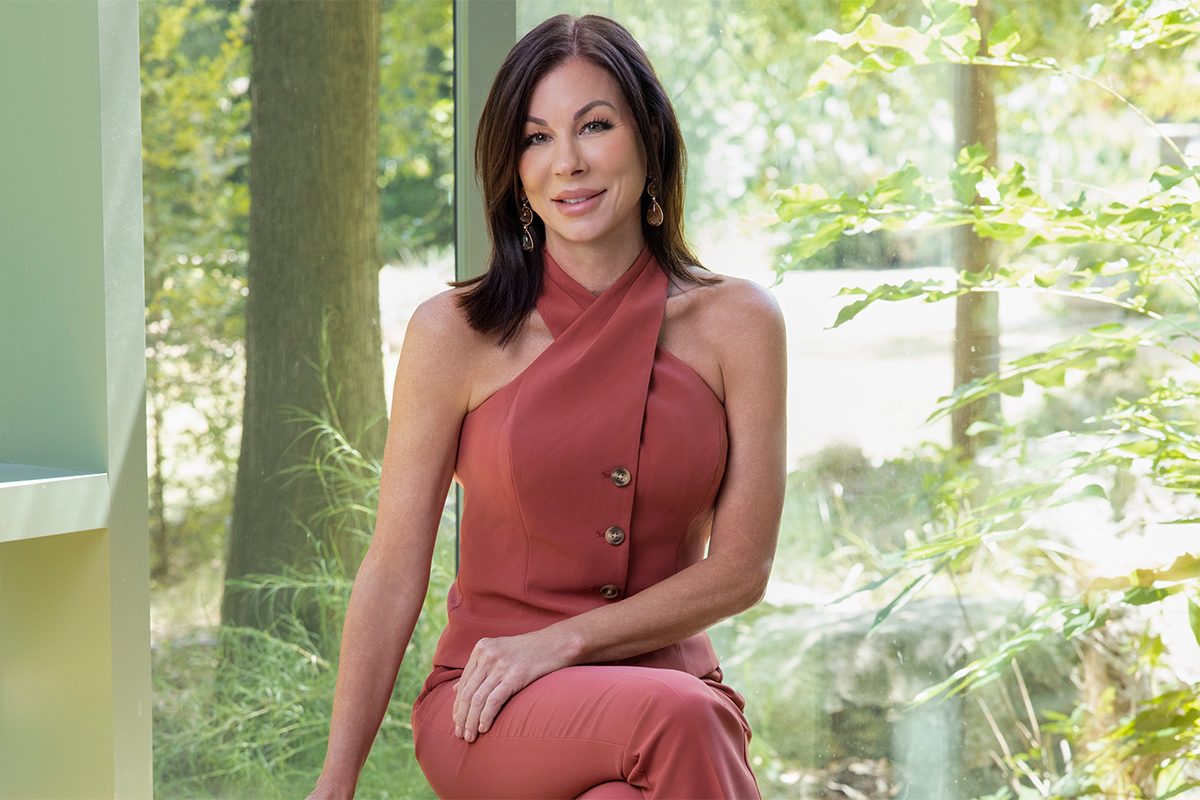
Redefining Strength: From Vulnerability to Victory
By Dawn Robinette | Photography by Suzanne Pack
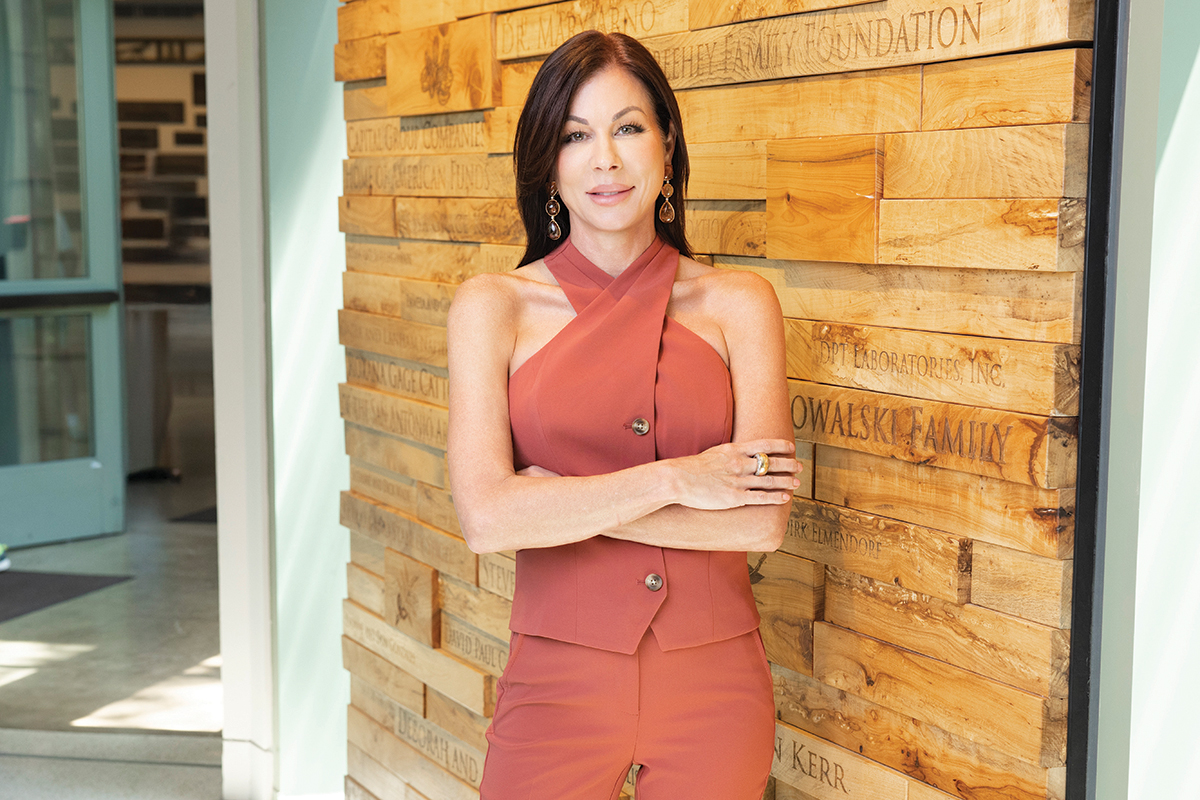
Brandi Vitier’s path into banking wasn’t traditional, landing an opportunity in graduate school to work with a real estate-based family office. “I handled a majority of the banking functions and transactions. Once we ran through the real estate, the primary bank I worked with offered me a job. So, I got into banking haphazardly and not planned. My first banking job was as a loan assistant to the Market President. I learned a lot – and quickly.”
That unplanned entry led to a remarkable career at Texas Partners Bank, where Vitier serves as Market President, helping grow the institution from $60 million in assets when it was just 11 months old to $2.4 billion today. But her professional history is only part of a larger story marked by personal battles that have shaped her both professionally and personally, fueling and strengthening her into a dynamic leader.
Vitier was diagnosed with breast cancer at 27, but her journey with cancer began long before her own diagnosis. When she was just 12, her mother was diagnosed with breast cancer at age 36, while her grandmother simultaneously battled ovarian cancer. “My life revolved around women and a very intimate women’s disease oriented at a time when I was changing and becoming a woman myself.”
The experience was particularly traumatic because it occurred when insurance companies could deny breast cancer treatment. “When my mom was sick, she was denied benefits and had to battle insurance companies and doctors’ offices. They weren’t letting her get treatment, and I saw how it affected her.”
Those formative years watching her mother fight both cancer and insurance companies left an indelible mark. “I remember my mom screaming over the phone, fighting them, and scared. So, it became really personal. I watched her grow stronger as she found ways to win.”
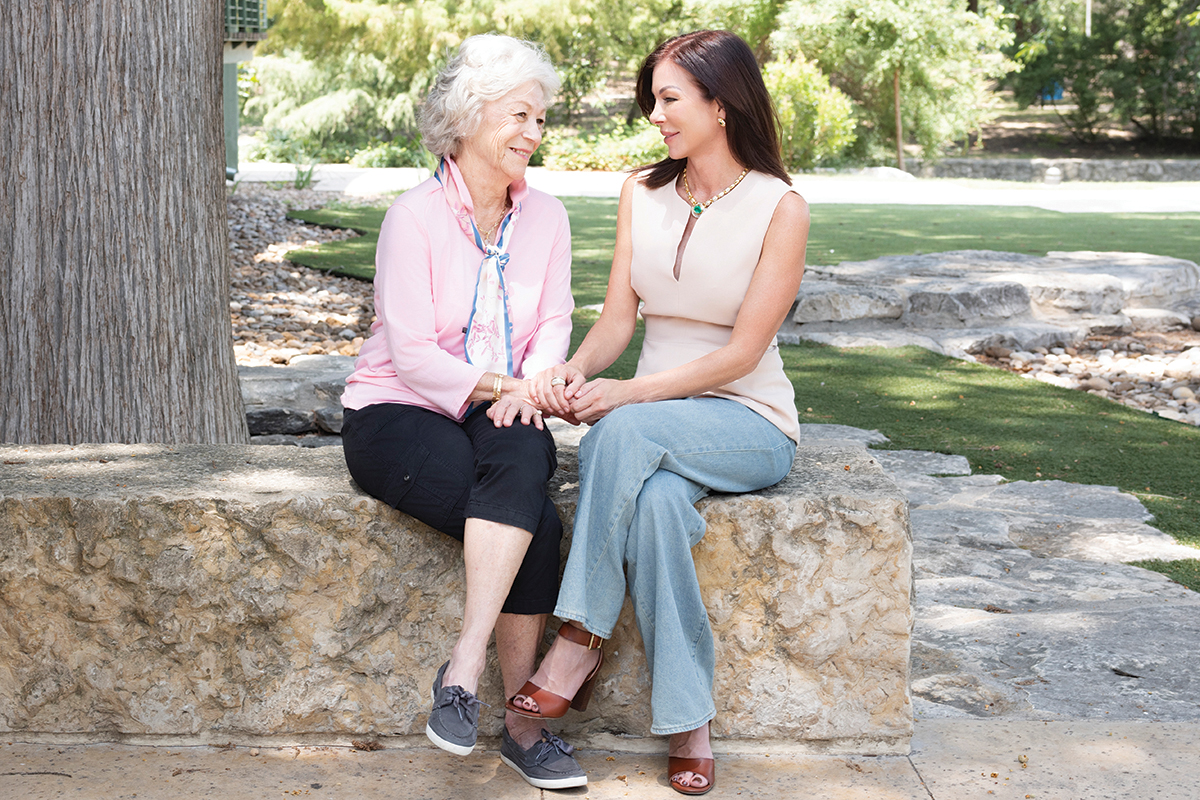
When Vitier received her own breast cancer diagnosis, she was equipped with hard-won knowledge about the healthcare system but unprepared for the emotional toll. Despite being diagnosed at stage four, early detection played a crucial role in her survival. “Back when I was diagnosed – and even now – insurance companies have gotten better. So that dilemma was eradicated. Sadly, when I was sick, the overarching advice was a recommendation to ‘have a double mastectomy, don’t worry about it.’ Seemingly, within five years, the environment changed, and the medical field moved to have a lumpectomy.”
Vitier underwent (over the course of 4 years) ten surgeries as part of her treatment and reconstruction process. “I have a lot of scars on my body, from the double mastectomy and nipple reconstruction equating to 22 inches.”
“I used to see the scars as a weakness, something that was wrong with me. I felt insecure and was obsessed with hiding them. Now, I see them as something I endured and won. It’s just part of who I am now.”
The shift in how she views her scars represents a broader transformation in the wife and mother of three’s life philosophy. “I think it’s with age. And I think it’s with growth. At the end of the day, it doesn’t matter what you look like; it matters who you are. You have to keep moving forward through the hurdles,” she reflects. “The more I have grown, the more I have grown my own team – the less I look at internally at my internal scars – I realized my strengths are greater than these things.”
She tears up trying to explain the mental shift. “Before I would think ‘Oh, I hope I can wear a bathing suit or a certain shirt. Now, I’ve just kind of relaxed. If you can see my scars, then you see my life. It opens a conversation about what happened. It’s not a shameful thing. I want people know that about me now.”
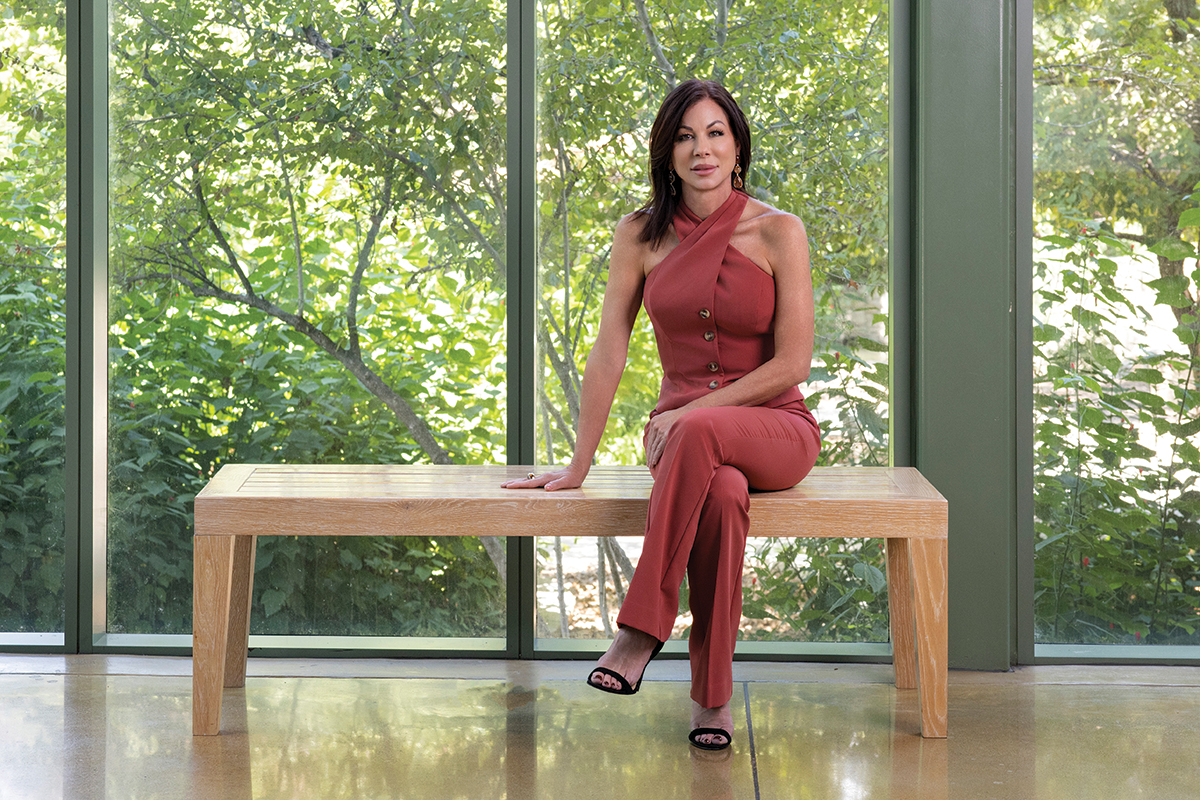
While Vitier doesn’t actively seek opportunities to share her story publicly, she has become a trusted resource for friends and their loved ones facing similar diagnoses. “Most of the help that I’ve done hasn’t been very public, but it’s been, ‘Hey, my friend’s sick. Can you talk to them?’ So, it’s been personalized one-on-one help and advice.”
Her experiences with cancer have profoundly influenced her leadership style in banking. “It’s helped me redefine who I am often. I am playing the long game now, especially as I look at my team, or what we’re doing, or what role I’ve taken in banking. I’ve found strength in the fact that I overcame that – and I can overcome other obstacles.”
Initially, her different path into banking gnawed at her. “I’m not the standard banker, which used to make me question my profession. I’d think, ‘I’m not a man, and I’m not this, I’m not that.’ Then I approached it as, ‘Well, I am me, and I’ve made it this far. So, we’ll keep going and see what happens.'”
She now sees the growth-minded way she approaches things as a significant advantage. “My leadership style is more empathetic. It sounds like a weakness, but I understand that people are on different paths. I use it as a strength, because I can hear and see different things in a room that I know that my peers may not be tuning into.”
Vitier’s approach to both life and business centers on personal responsibility and perseverance. “A huge part of my leadership is mindset coaching – learn to control it or it will control you.
“My key value is ownership. At first, if you don’t do it well, just try it again,” she explains. “It’s not very sparkly. But it’s more of perseverance and working smarter, getting up and doing it over and over and over again, even in the face of adversity.”
Her cancer experience has given her a unique perspective on time and legacy. “Like I said previously, I play the long game for excellence and always moving forward, but I do look at life in smaller chunks of time. What happens if you’re not around in five years? And how does that impact my team, my family, and the bank? So, I see things a bit more intensely, you know, in two years, if I’m gone, what kind of legacy do I have?”
Part of that legacy is community service, something she considers an essential part of her life – and one that provides a balance to the profit-focused world of banking. She currently serves on the boards of the Witte Museum, Lift Fund and YPO Gold, among others.
Her work with Lift Fund particularly resonates with her banking background. “I love that because, for most bankers, the hardest thing we do is tell someone no for a loan and essentially be a killer of dreams. With Lift Fund, I love it because it gives people the ability to achieve their dreams, helps them keep their employees on, and be able to pour into the community that way.”
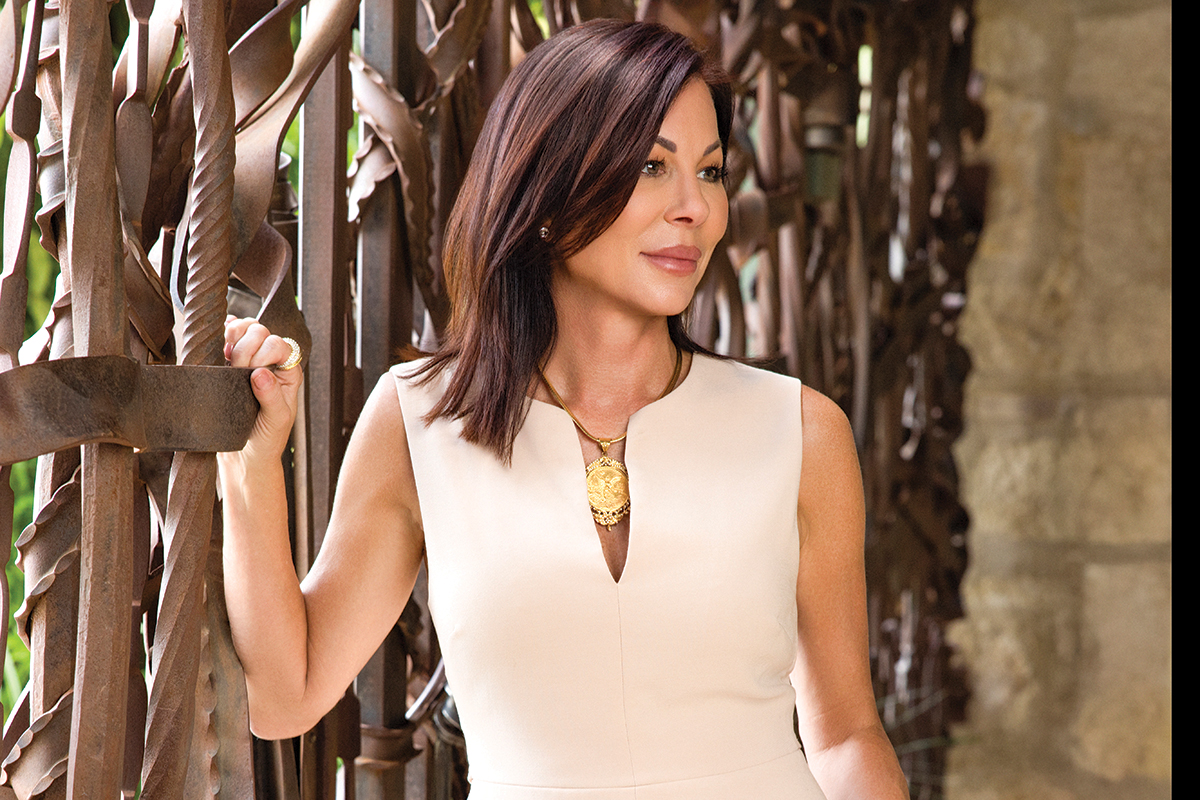
For young women entering the banking industry, Vitier emphasizes the importance of formal training while also advocating for finding one’s voice. “I would tell them to get into a professional credit program with a bigger bank to start, to do it the way that women were not privy to as much when I started,” she advises, acknowledging her own non-traditional path.
But perhaps more importantly, she stresses the need for visibility and confidence. “Use your voice, make sure you can be heard. I’m a ‘low talker, and it’s been a challenge. Use your voice to make sure you’re heard, speak up in meetings, and ask the questions – even if you think someone else may ask them.”
Her most powerful advice comes from a pivotal moment in her own career: “Realizing that I was enough. That I have all the capabilities that I need and always have.” This realization, she believes, is particularly important for women. “I feel like we try to be too much, try to find this impossible balance, try to be everything, and we don’t realize that everyone at some point is winging it, too. We need to teach young women that it’s okay to move forward without having all the information – that people will support you and people will help you. Find those people”
“Fail forward is my mantra – along with the ‘fake it until you make it theory. At some point, the experience and the excellence will come, but there will always be moments where imposter syndrome creeps back in…” she notes.
Vitier continues to lead by example, maintaining the demanding schedule that has characterized her career while finding time for the things that ground her—cooking for her family, serving her community, and mentoring the next generation of bankers. Her scars, once sources of shame, have become symbols of strength and survival.
“It knocked me down, but I got back up, and I continued to go,” she reflects on her journey with cancer. “I’m still here. I’m still going.” That resilience continues to drive her forward, building legacy, creating opportunities, and proving that sometimes the most powerful leadership comes from embracing what makes you different rather than hiding it.


One Response
This is an incredible article with such an inspiring story. Brandi is one of the most strong and admirable women in San Antonio. Congratulations on all her success.