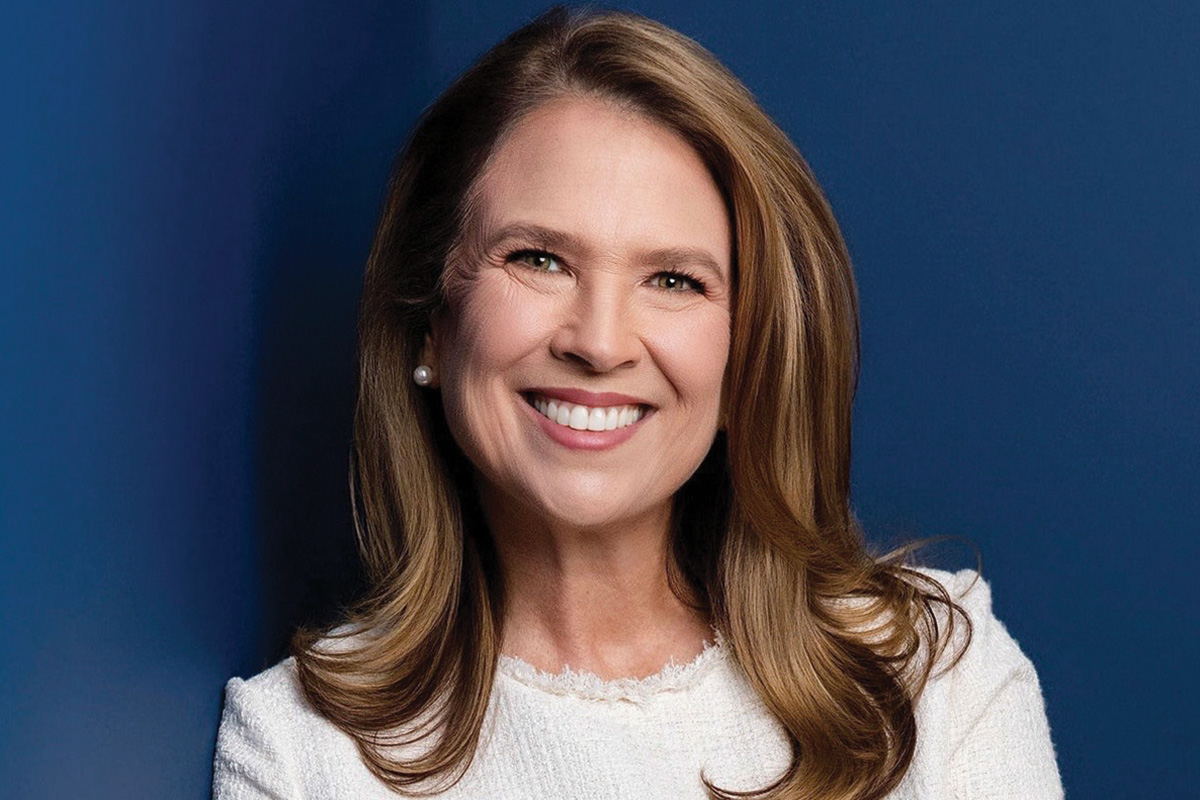
By Gina Francis Hughes, Senior Financial Advisor, MAKERS Wealth Management
There is one question I hear more than any other when I sit down with women to talk about finances. It’s not about investments. It’s not about retirement age. It’s not even about how much money they have. It’s simply this: “Will I be OK?”
It’s usually asked quietly and urgently, at the beginning of a meeting. Sometimes after a long pause. Occasionally, with tears in their eyes. And almost always, it comes during a time of transition. A divorce. The loss of a spouse. A career change. An inheritance. A child leaving for college. Retirement approaching. A health concern. In moments like these, finances stop being about numbers and start being about security, identity, and the future.
Most women I meet are not initially asking about how to maximize their returns; they are asking about how to protect the things that matter most. Women tend to think about long-term stability, caring for others, and how financial decisions affect their families and future. There are also practical reasons this question comes up more often for women. Women live longer than men, on average. Women are more likely to experience financial transitions like divorce or widowhood. Many women step away from careers to care for children or aging parents. And often, women find themselves managing finances independently later in life.
So when a woman asks, “Will I be OK?” she’s often asking several questions at once. Will I run out of money? Can I maintain my lifestyle? What happens if something unexpected occurs? Am I making the right decisions? Can I take care of the people I love? These are far more than just financial questions.
But the answers aren’t found in investment returns or account balances alone. They become clearer by stepping back and looking at the full financial picture. One of the first steps is understanding cash flow – knowing what you spend today and what you may need in the future. Some expenses will change over time, while others may remain steady. When you understand what your life “costs,” you can begin to determine whether your resources support that lifestyle. This clarity alone can reduce anxiety.
Another important step is mapping out your resources: retirement accounts, investment accounts, real estate, pensions, Social Security, and cash reserves. Sometimes there are additional pieces, such as inheritance or future benefits. When these elements are viewed together, women often discover they are in a stronger position than they realized. Seeing the full picture shifts the conversation from uncertainty to possibility.
Planning for the unexpected is an important ingredient in feeling “OK.” Markets fluctuate. Health needs change. Life rarely unfolds exactly as planned. But you don’t need to predict the future to prepare for it. Building flexibility into a financial plan allows for adjustments along the way, and having that plan mapped out is what creates confidence.
Being “OK” also means aligning your money with your life. It’s not just about having enough – it’s about having enough for the life you want to live. That might mean traveling more, working less, helping children or grandchildren, giving to causes you care about, or simply having the freedom to make choices without financial stress. When money is aligned with your priorities, it becomes a tool rather than a source of worry.
Confidence doesn’t come from having a perfect financial situation. It comes from understanding your situation. I’ve seen women with significant wealth still feel uncertain. I’ve also seen women with modest resources feel deeply confident. The difference is clarity. When you can look clearly and honestly at where you stand and what your options are, fear loses its grip. Decisions become easier. The future begins to feel more manageable.
If you’ve found yourself wondering, “Will I be OK?” you are not alone. It is one of the most significant questions you can ask. Because being OK isn’t just about money. It’s about peace of mind. It’s about confidence. It’s about knowing you can move forward, even during times of change.
And often, answering that question begins with taking the time to evaluate your finances through the lens of a life that brings you joy and purpose. For many women, that process becomes one of the most empowering financial moments of their lives.
MAKERSwealthmanagement.com
Securities offered through Kestra Investment Services, LLC, member FINRA/SIPC