
Pearls and Eagles Courts:
Helping Foster Youth Soar
By Michelle Vasquez | Photography by David Teran
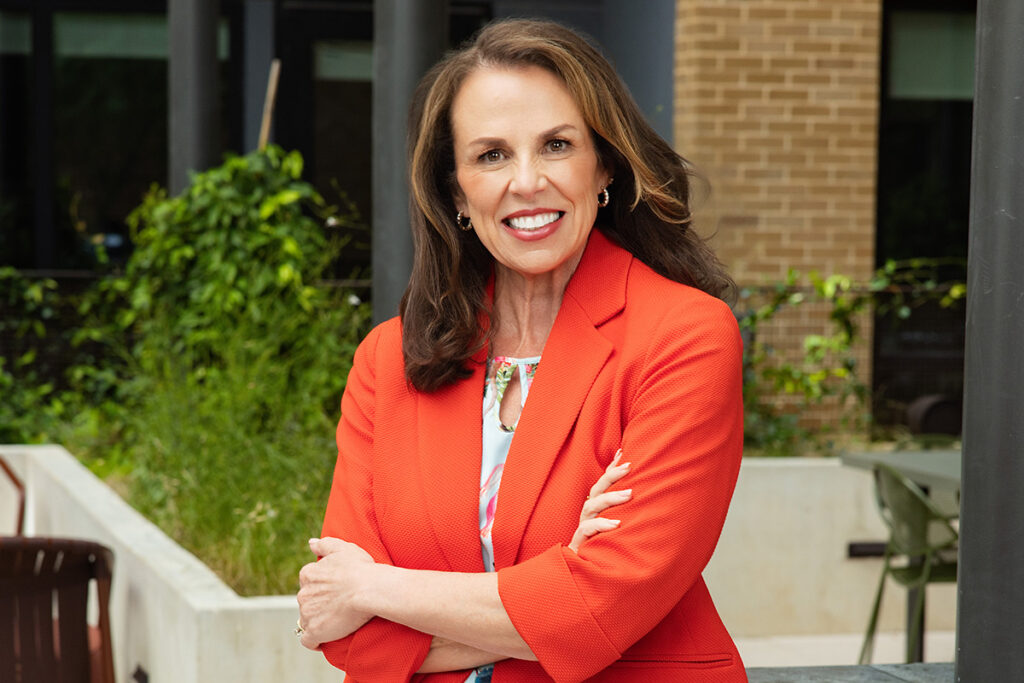
Sometimes the most unexpected places become the ones where lives begin to change, like inside Bexar County’s courthouse. The Pearls and Eagles Courts are redefining what a courtroom can represent for youth in foster care. Here, it is a place where young people are encouraged, supported, and reminded of their own potential. “We want every child that’s in the foster program to see that a courtroom doesn’t have to be a place of fear,” said Judge Nadine Nieto of the 285th District Court. “It can be a launch pad for their success.”
The Pearls and Eagles Courts are civil-based specialty courts serving youth in foster care who are wards of the state. The mission is to provide guidance, resources, and connection during one of the vital transitions in a young person’s life. Rather than focusing on what has happened in their past, the programs focus on what is possible in their future and cultivate a sense of hope.
The Pearls Court was established in 2015 to support young women in foster care. Several years later, Judge David Canales recognized that young men deserved access to the same encouragement, resources, and opportunities. “What about the boys?” became the question that inspired the creation of Eagles Court in 2020.
Today, the programs work together under the Children’s Court in Bexar County, supported by judicial leadership, community volunteers, and the Pearls Foundation, a nonprofit organization that helps provide additional resources and experiences for participants.
Judges Nadine Nieto and Raul Perales lead the Eagles Court, while Judges Angelica Jimenez and Rosie Alvarado oversee the Pearls Court. Although each court serves a different population, the four judges work together as one team, strengthening a common mission to help foster youth build confidence, connection, and a foundation for the future. “The goal of the program is to build supportive relationships with them and bridge their journey into adulthood,” said Judge Perales. The program focuses on education, mentorship, exposure to new opportunities, and the consistent presence of trusted adults who show up. Historically, these youth have not had strong adult influences in their lives.
For Nieto, continuing the work started by Judge Canales has become both a responsibility and a calling. She understands that sometimes a young person’s path can change when someone takes the time to understand what they truly need. For youth who may not have consistent support systems, Pearls and Eagles provide something powerful: adults who are watching, listening, and advocating for them. “They see you making orders on their behalf, in their best interest,” Nieto said. “I want them to know that I’m in their corner supporting them.”
The programs serve youth ages 14 to 18 who are referred through foster care advocates, mentors or community partners. Once accepted, participants receive ongoing support through quarterly hearings, programming nights, and resources designed to help them successfully transition into adulthood. Judges check in on school, employment, health, goals, and dreams. They celebrate accomplishments and help remove obstacles. A major focus is education. Through the courts, judges can appoint educational interventionists who advocate directly for students and identify challenges that might otherwise go unnoticed.
Nieto recalls one young man who was struggling academically and at risk of falling behind. Through intervention, advocates discovered he had dyslexia and had never received the appropriate support. Once provided with the right resources, his confidence and trajectory changed. “I think, what would I do as your mother?” Nieto said. “Not just as a judge, but what would I do for you?”
That philosophy extends throughout Pearls and Eagles. The programs focus on helping young people imagine what is possible, not just addressing challenges. Programming nights introduce participants to life skills, career options, and community leaders. The goal is the same: stability, independence, and economic mobility.
For the Eagles Court, those hopes are reflected directly in the program’s name. EAGLES represents Esteem, Achievement, Grit, Learning, Leadership, Empowerment, and Strength, qualities the program works to help each participant recognize within themselves. “I want them to have confidence in themselves,” Nieto said. “I want them to achieve and feel like they can do anything.”
Building that confidence often begins with exposure. Participants visit college campuses, explore trade and career opportunities, and connect with professionals willing to share their own experiences and journeys. They are also supported in moments that extend beyond academics and careers, including the arts, culture, and experiences they may not otherwise have encountered. “Sometimes it just takes exposure to see what the possibility is,” Nieto said.
Beyond resources, the foundation of the program is relationships. “The data shows that the way that we heal from trauma is by building strong, consistent, healthy relationships with safe adults,” said Judge Jimenez. Mentors, volunteers, and community partners play a critical role by providing encouragement, consistency, and connection. For youth who may have experienced years of change, having someone show up repeatedly can make a lasting difference. “All it takes is one person,” Nieto said.
The impact of Pearls and Eagles extends beyond the courthouse. The programs represent what can happen when an entire community chooses to invest in young people. “It is encouraging that we have a community that has adopted and embraced the outreach program,” said Judge Alvarado. As awareness grows, leaders hope to expand participation, recruit additional mentors, and inspire similar programs beyond Bexar County.
For Nieto and the other judges involved, the commitment extends beyond the bench because they believe in the impact. “You feel like you’re giving back and you are making a difference,” Nieto said. “And you wouldn’t change it for the world.” The greatest measure of success is not simply helping youth graduate or find employment. It is helping them recognize their own potential. “My hope is that these kids feel seen,” Nieto said. “That they feel understood and that they feel accepted.”
Because sometimes changing a life begins with something simple: someone standing beside you, believing in you, and reminding you that you were always meant to soar.