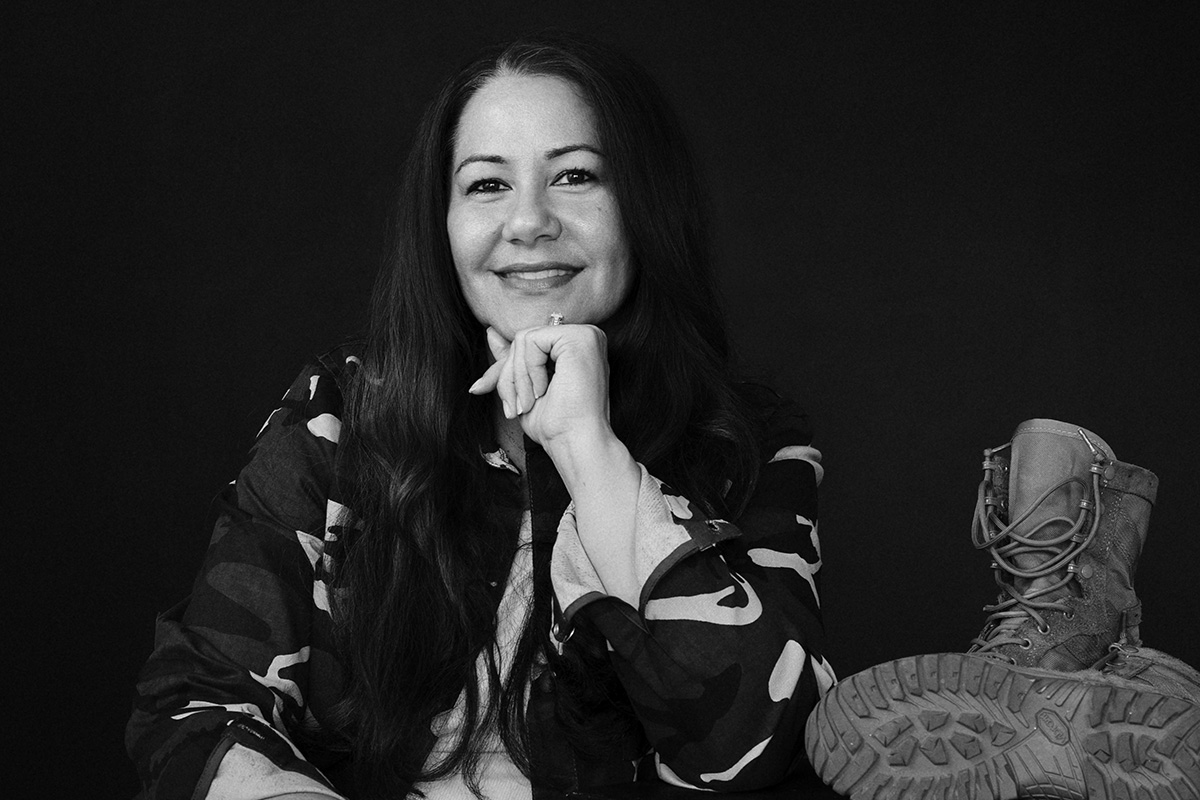
BEYOND THE BOOTS with
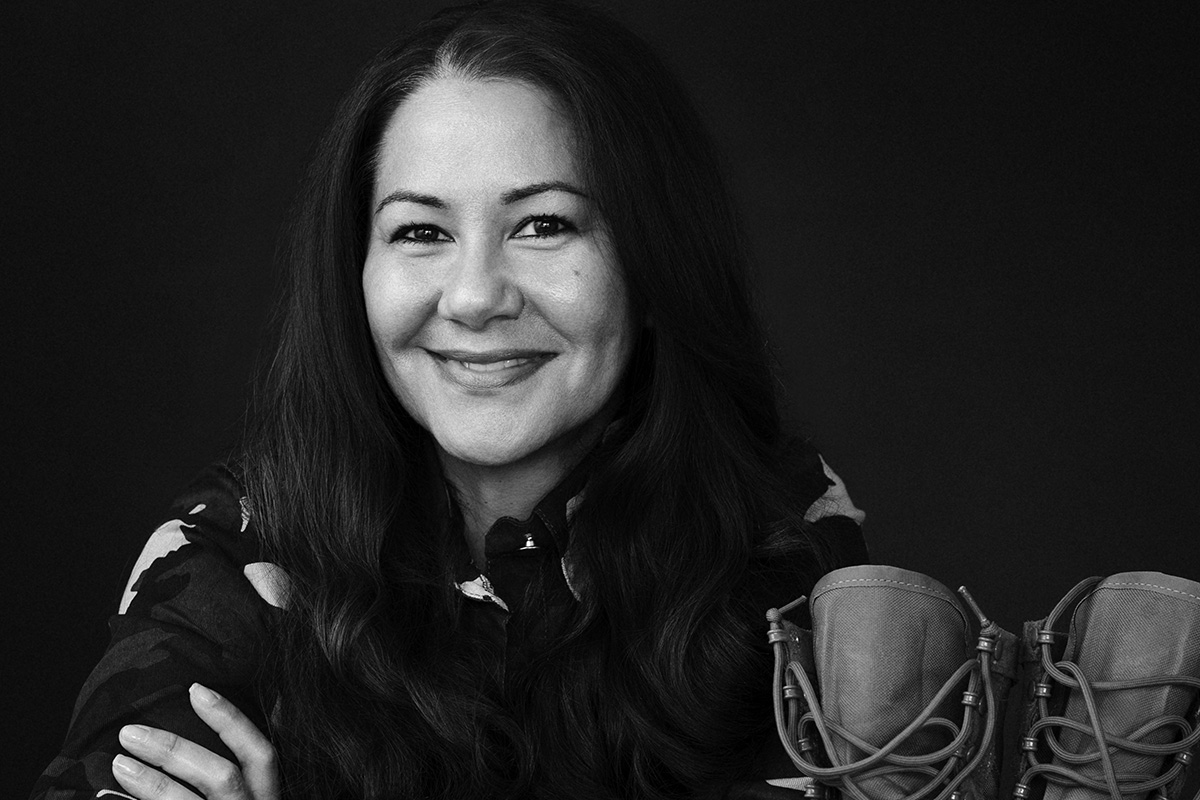
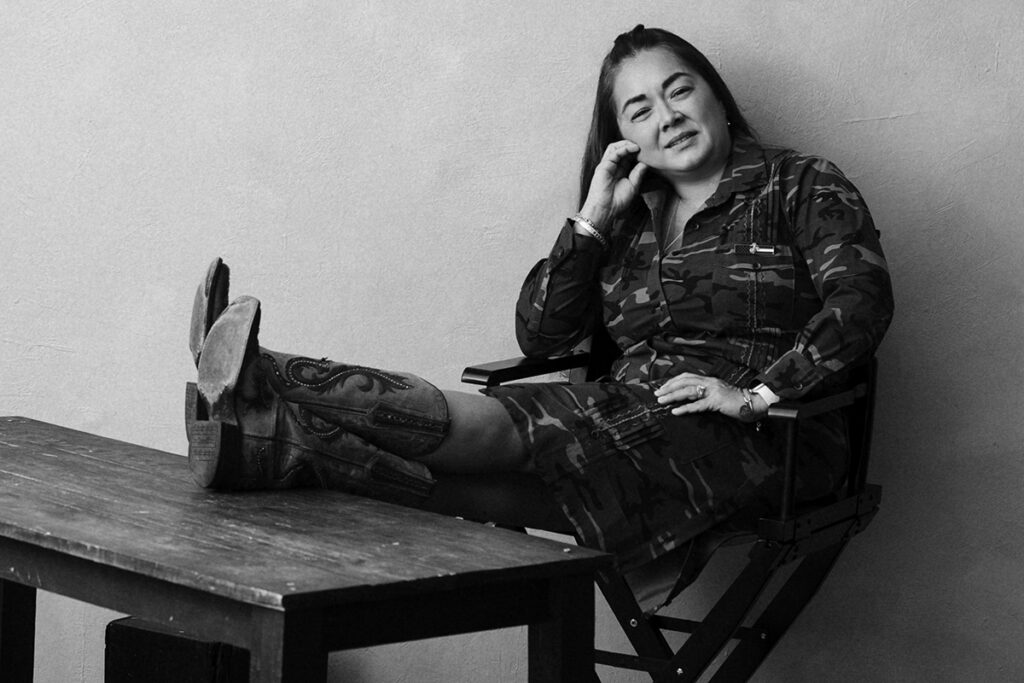
Marie Filomena Slack
U.S. Army / Colonel
Photography by David Teran
How has your military career prepared you for your current role in the community?
My life in and around the military prepared me to serve communities long after my uniform comes off. As an Army brat, Army spouse, and Army commander, I have seen military life from several perspectives—and each one taught me something different about people, resilience, and community.
As an Army child, I experienced how decisions made far from home can shape a family’s daily life. As an Army spouse, I came to appreciate the sacrifices of those who support service members, often without much recognition. Later, serving in command roles at several levels, I was able to observe and influence how systems, programs, and decisions can affect military families directly.
Those experiences gave me a fuller understanding of both the people who need support and the organizations responsible for providing it. I know the challenges military families face because I have lived them. I know the value of community support because I have relied on it. And I know how to bring people and organizations together because leadership has taught me how to listen, connect, and act.
Through every chapter, one lesson remains constant: service begins with people, and strong communities depend on people showing up for one another.
What advice do you have for other women who are serving in or transitioning out of the military and want to make an impact on the local community?
Start before your transition. Build relationships in the community, volunteer when you can, and look for ways to use the planning, teamwork, and leadership skills you developed in the military.
You do not need to wait until you leave the service to become involved. Whether you are an Army child, military spouse, service member, veteran, or civilian supporter, your experience has value. Even small commitments can help you build connections, learn what your community needs, and find where you can contribute most.
As I prepare for my own eventual transition, I have focused on supporting small, community-based nonprofit organizations. One organization especially meaningful to me is Mud Color Inc. and its Everyday People Project. The work gives me an opportunity to help connect people, strengthen local support systems, and serve individuals—including fellow veterans—who can too easily be overlooked.
San Antonio has given me much as a military family member and as a leader. I am grateful to have worked, trained, and lived in Military City USA. When I eventually leave the Army, I will not leave service behind. I will simply continue it in a new way—well beyond the boots.
Who or what has helped you the most in your career?
The people who have influenced my career the most reflect the three perspectives that have shaped my military experience: Army brat, Army spouse, and Army commander.
My father, a retired Army NCO, was my first example of service. Through his example, I learned the importance of hard work, integrity, sacrifice, and taking care of others. He laid the foundation for the leader I would eventually become.
My husband, a retired Army officer, helped me appreciate that service is a shared commitment. His support, understanding, and sacrifices reinforced that no one serves alone, and that the strength of our military comes just as much from our families as from those in uniform.
My greatest teachers have been the Soldiers, civilians, and family members in the military communities I’ve had the privilege to serve alongside. Their dedication, resilience, and selfless contributions make the mission possible every day. They continually remind me that leadership is about the people we are entrusted to serve.