Setting its Sights on the Downtown Core
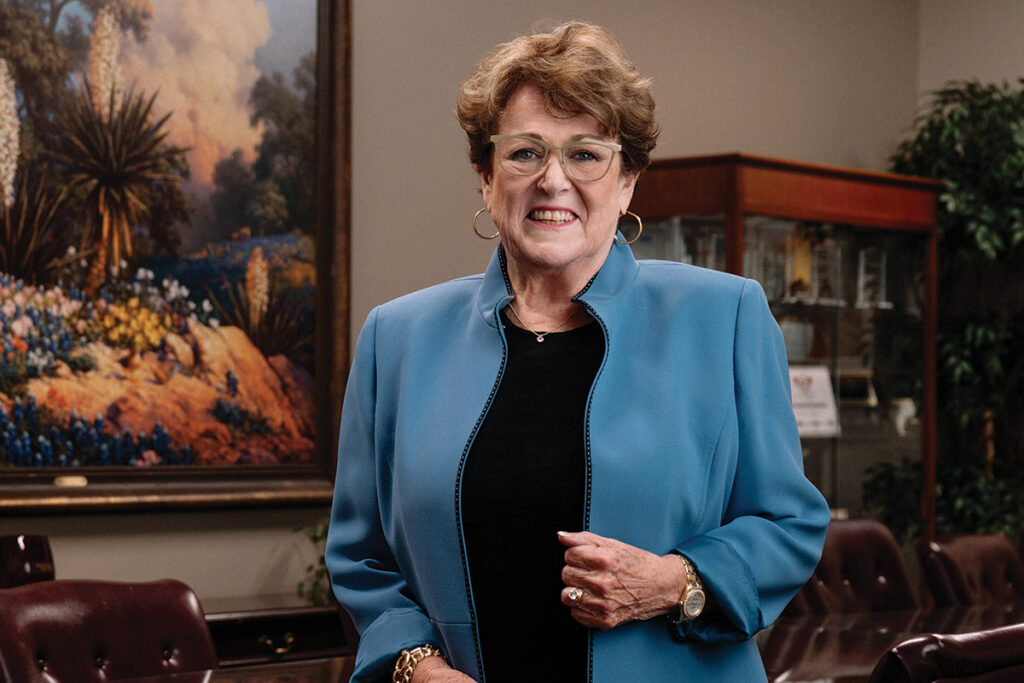
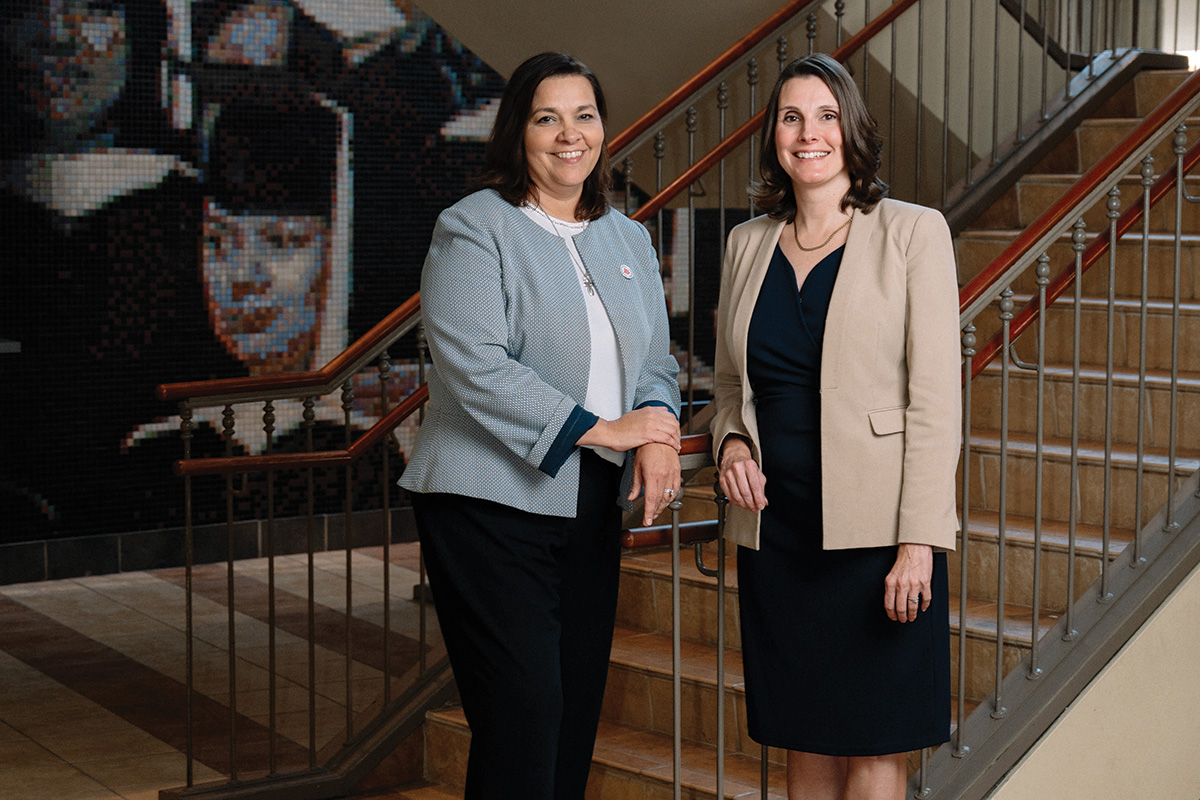
Andrea Marks
Senior Executive Vice President and
Chief Operating Officer for UT San Antonio
Dr. Heather Shipley
Senior Executive Vice President and
Provost of UT San Antonio
By Blithe Wiley | Photography by David Teran
On Sept. 1, 2025, UTSA and UT Health Science Center San Antonio marked a major milestone as the two institutions officially combined into one university: UT San Antonio. Today, the institution serves a record 44,000 students and is the third-largest public research university in Texas. Its long-term growth strategy includes a continued focus on building a premier research university, expanding its downtown facilities and scaling up high-tech education.
UT San Antonio is one of only 13 universities nationwide to have three Carnegie designations for excellence in research, student success and community involvement. It’s been named a Carnegie Classification of Institutes of Higher Education Tier 1 Research Institution, which places it in the top 4% of research institutions nationwide.
From its original Downtown Campus, launched in 1997 on the western edge of downtown San Antonio, UT San Antonio’s downtown footprint has expanded to San Pedro I & San Pedro II, the Southwest Campus (formerly the Southwest School of Art and Craft), and One Riverwalk Place. Today, the Downtown Campus houses several academic programs, the College for Health, Community and Policy, the College of Education and Human Development, and the Buena Vista Theater. The San Pedro I & San Pedro II extensions of the downtown campus are home to the College of AI, Cyber and Computing, the Cyber Security Manufacturing Innovation Institute, the Center for Data Science, and serve as the hub for innovation, entrepreneurship and careers.
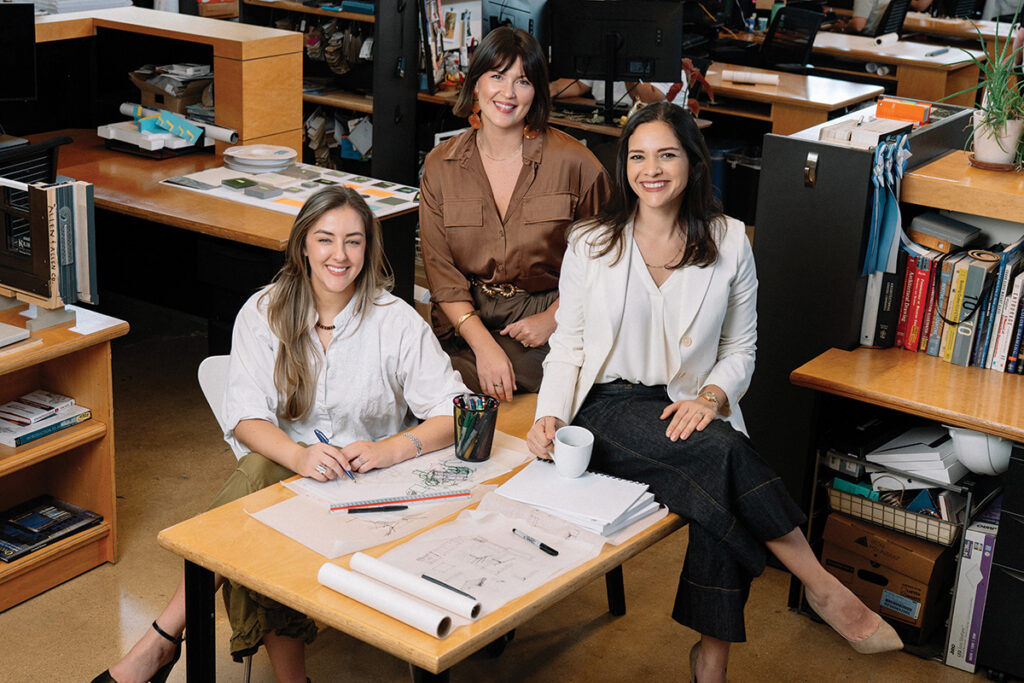
The Southwest Campus houses the University’s community art classes and creative collaborations that include exhibitions, concert series and summer camps. The 18-story One Riverwalk Place houses the Margie and Bill Klesse College of Engineering and Integrated Design’s School of Architecture and Planning as well as the Valdez Institute of Economic Development. In addition, this past January, the University’s Institute of Texan Cultures moved to its new home at Frost Tower on Houston Street.
Current fall 2026 student enrollment at the various downtown locations is more than 8,000, a dramatic increase from the 2,000 students exclusively taking classes at the original Downtown Campus in 2019.
According to Andrea Marks, Senior Executive Vice President and Chief Operating Officer for UT San Antonio, UT San Antonio’s President Taylor Eighmy has been the driving force behind the growth of the university’s downtown presence. “When he came to UT San Antonio to serve as our President, he immediately set his sights on downtown. He realized how important a vibrant downtown is to our city,” she said.
Marks, who has worked with UT Health San Antonio since 2000, added, “I am delighted to see our university’s role in downtown San Antonio grow. For our healthcare mission, this presence downtown is increasing visibility of our healthcare services and breakthrough medical innovations for San Antonio residents.”
Marks also noted the numerous benefits students receive from the university’s growing presence downtown. “We have the College of Health Community and Policy programs located downtown close to community healthcare policy leaders and the architectural program located near numerous prominent architectural firms. This proximity creates tremendous opportunities for our students in these programs for internships, mentorships and networking,” she said.
UT San Antonio’s Senior Executive Vice President and Provost Dr. Heather Shipley has served as a professor and in various academic administrative roles at UT San Antonio since 2007. She also emphasized that the university is committed to continued investment in downtown San Antonio. “We’re a key player in creating an enhanced downtown environment where people live, work and learn. Today, in addition to our 8,000 students, we also have 300 faculty and staff based on our downtown campuses.
“For our students, having proximity to local businesses is so important for networking, mentorships and career opportunities,” Shipley noted. “In addition, we’re collaborating with local partners, including the San Antonio Police Department, the Centro San Antonio Ambassadors and VIA to work together on various initiatives.”
In addition to expanding its academic facilities downtown, UT San Antonio introduced a new student housing option for the fall 2026 semester at The Continental Residences. This pilot program is housing approximately 55 students in the fall 2026 semester.
“Growing our supply of affordable student housing in the downtown district is so important as our downtown student enrollment continues to grow,” said Marks.
Shipley is passionate about the essential role UT San Antonio is playing in propelling San Antonio forward. “San Antonio deserves an institution of this caliber. Having a major research university such as UT San Antonio embedded in its downtown has a tremendously positive impact on local businesses, city government, and residents,” she explained. “In addition, it benefits us enormously to be able to embed our students in downtown businesses, and cultural and nonprofit organizations for experiential learning opportunities. Plus, as our students continue to interact with businesses and organizations downtown, this helps us to retain our students locally post-graduation.”
Shipley noted that the plans for the continued growth and revitalization of San Antonio’s downtown district bode well for the university in continuing to attract students to its downtown campuses. “As students attend classes and work downtown, they also want plenty of dining, retail and entertainment options,” she said.
At a university event held at One Riverwalk Place this past March, UT San Antonio President Taylor Eighmy explained to attendees that the acquisition of the building was the latest chapter in the university’s growing downtown expansion. He noted that the building is an unmistakable symbol of the university’s continued growth and commitment to the urban core.
Shipley wholeheartedly agreed with this sentiment. “We believe that One Riverwalk Place is a prime example of our efforts to strengthen public-private partnerships,” said Shipley. “Having business tenants and academic programs in the same space is an innovative way to help develop a professional network for our students and ensure that experiential learning is an integral part of their academic career.”
Shipley emphasized that UT San Antonio’s strategy for growing its downtown presence through its physical facilities, academic programs, public-private partnerships, and relationship with the downtown business community is a win-win for both the university’s students and the downtown district.
“Ultimately, our strategy for growing our downtown footprint is designed to increase the educational and post-graduate opportunities for our students and enhance our positive impact on the overall downtown community.”