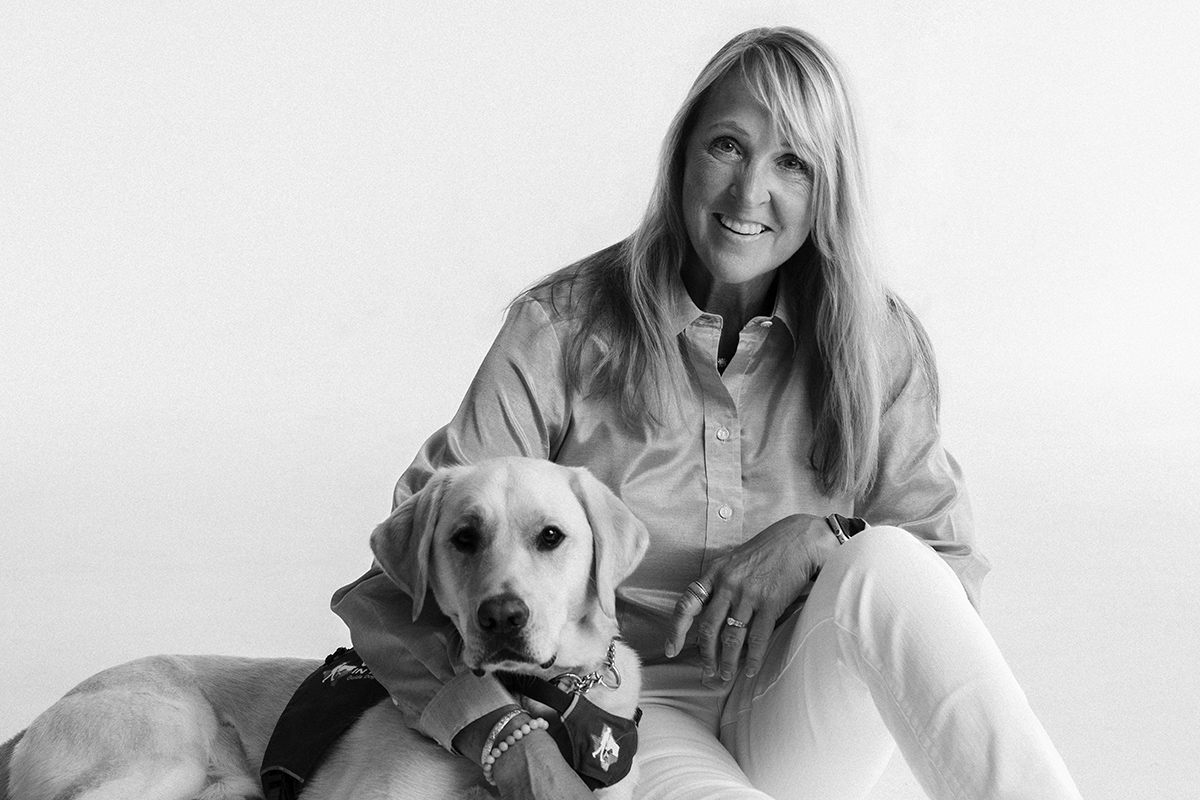
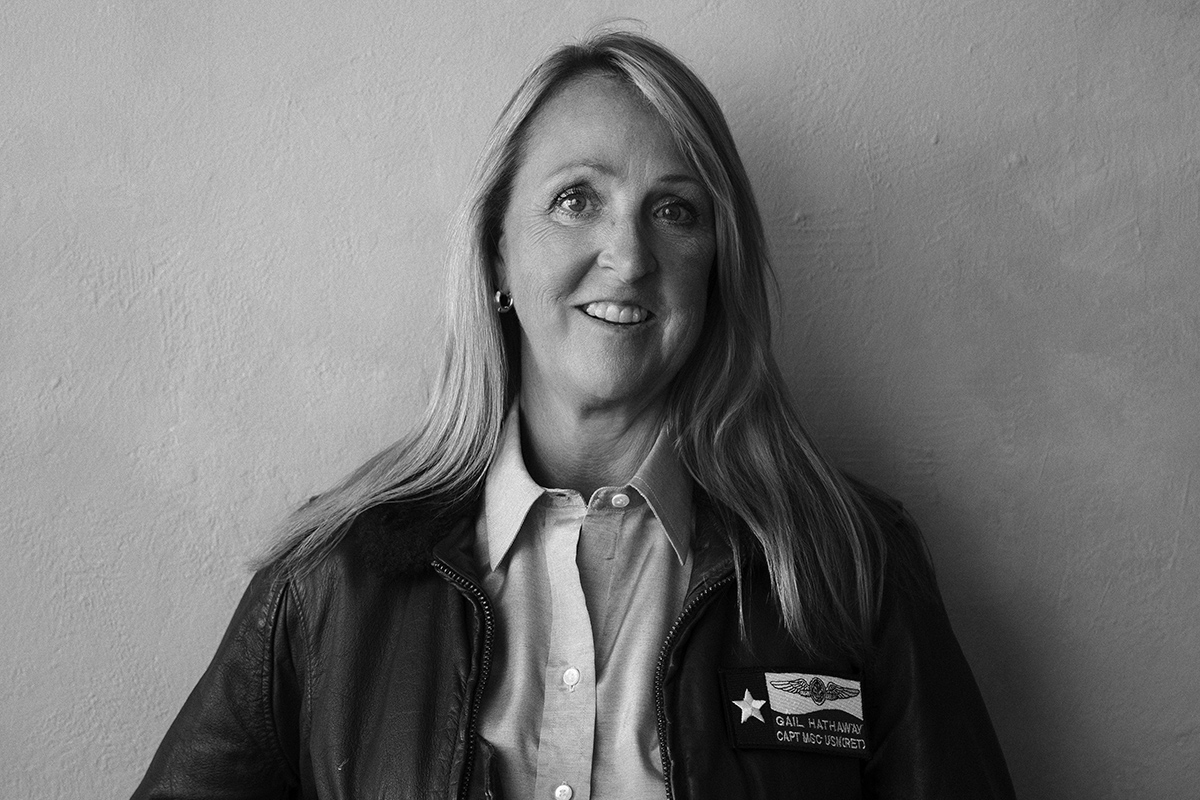
Gail Hathaway
CAPTAIN , US Navy (Retired)
President and Chairman of the Board, Guide Dogs of Texas, Inc.
Photography by David Teran
How has your military career prepared you for your current job?
The Navy didn’t just prepare me for nonprofit leadership—it shaped who I am as a leader. During nearly 30 years of service, I learned that leadership is ultimately about people: inspiring them around a shared mission, earning their trust, developing their potential, and creating an environment where they can succeed. As a Navy Captain, I was entrusted with leading thousands of personnel, managing complex organizations, multimillion-dollar budgets, and strategic initiatives spanning multiple states. Those experiences taught me how to make difficult decisions, navigate change, build high-performing teams, and remain accountable to those I served.
Just as important, my military career taught me the value of collaboration. Whether working with other military services, federal agencies, international partners, or community leaders, I learned that lasting success comes from building relationships and bringing people together around a common purpose.
Today, as Chairman of the Board of Guide Dogs of Texas, I draw on those same principles every day. The mission may be different, but the leadership fundamentals remain the same: serve with integrity, steward resources wisely, empower others to lead, and never lose sight of the people whose lives your organization exists to change. For me, nonprofit leadership is simply another opportunity to continue a lifetime of service.
What advice do you have for other women transitioning from the military to the civilian workforce?
Leaving the military isn’t about leaving your identity behind—it’s about discovering new ways to serve. The leadership skills you’ve developed through military service are invaluable, even if you don’t immediately recognize their worth. Those experiences translate to every sector.
My advice is to be confident in what you bring to the table, but humble enough to keep learning. Continuously build your network, find mentors who will challenge and encourage you, and don’t be afraid to take on opportunities outside your comfort zone. Most importantly, remember that leadership isn’t defined by a uniform or a rank. It’s defined by your character, your willingness to serve others, and the positive impact you make wherever your next mission takes you.
Who or what has helped you the most in your career?
Early in my career, I was the only woman officer among seven Marine Corps F/A-18 fighter squadrons and a Marine Air Group. My commander, then-Colonel Jim Amos, recognized my potential, challenged me to meet high standards, and became a mentor and advocate. He judged me by performance, not gender, which gave me resilience to persevere when I might otherwise have left the service. His leadership changed my career, instilling values that helped me earn promotions and eventually command at the highest level. His example taught me the importance of investing in others, a lesson I continue to pass on.
Any additional thoughts or questions you’d like to add?
When I reflect on my journey, I don’t think first about the positions I held or the awards I received. I think about the people who believed in me, the teams I had the privilege to lead, and the lives that were made better because we worked together toward something meaningful. Leadership is never about one person—it is about empowering others to succeed and leaving every organization stronger than you found it. Whether in a Navy uniform, leading a nonprofit, or serving my community, that has always been my purpose. Retirement didn’t end my commitment to service; it simply gave me a new mission. I hope my story encourages others to lead with courage, serve with humility, and never underestimate the difference one person can make.
This Feature Sponsored by: